Induction vs Gas Hobs - Which Suits East Lothian Kitchens Best?
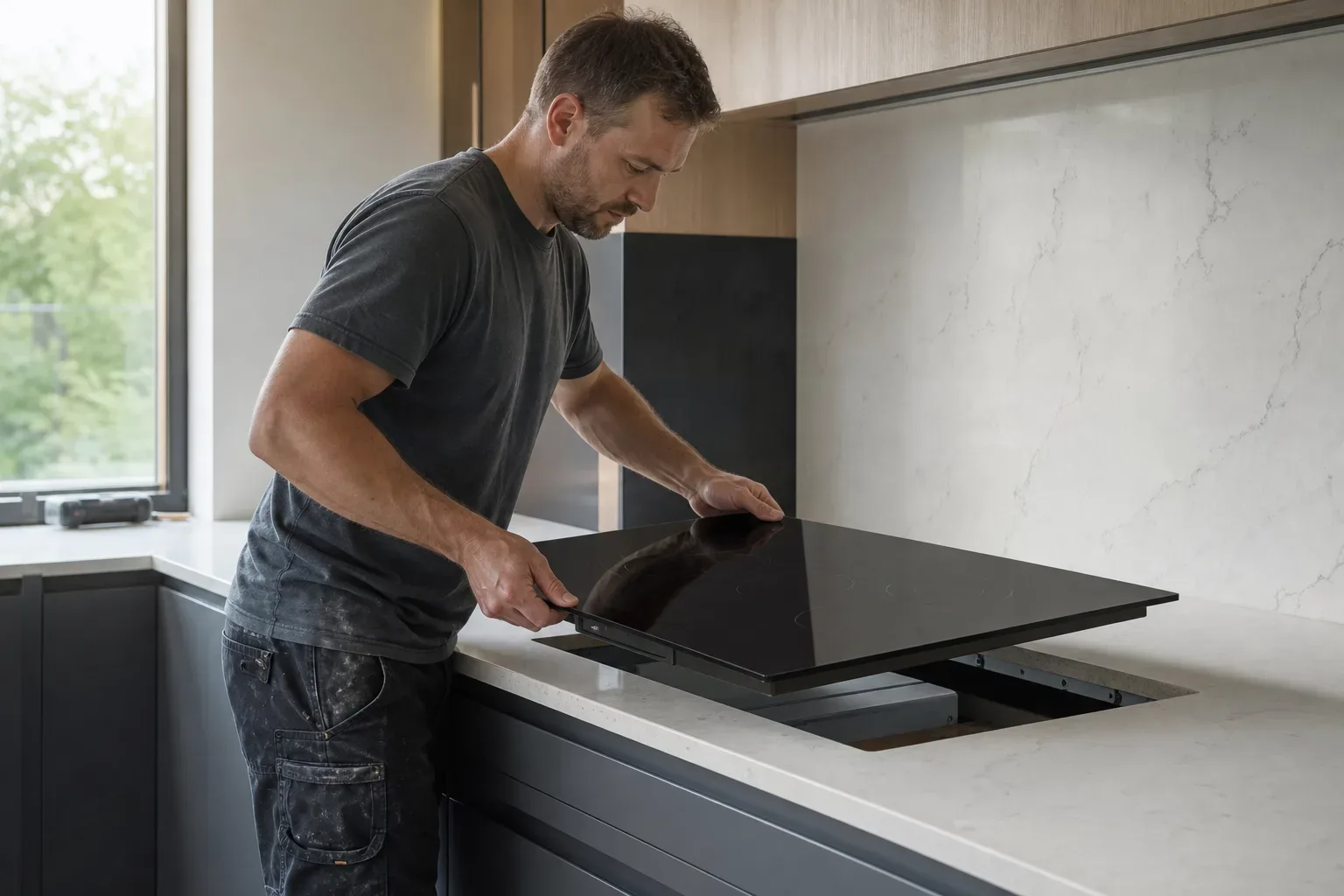
Choosing between induction and gas comes down to how you actually cook, what services are in your home, and how your kitchen is likely to be used over the next decade. East Lothian homeowners face a specific set of variables: a mix of older stone-built properties and newer builds, varying gas supply availability, and an increasingly competitive energy tariff environment. Neither hob type is universally better. Both have clear, practical strengths.
How Each Technology Works
Induction hobs generate heat directly within the pan using electromagnetic fields. The glass surface itself stays relatively cool, which means spills don't bake on and the burn risk is lower. Gas hobs burn natural gas or LPG through burners, producing a visible flame and immediate radiant heat around the base and sides of the pan.
The functional difference matters in the kitchen. Gas heats unevenly around the pan edges, which suits wok cooking and recipes that need flame-licking heat. Induction delivers precise, consistent heat across the base of compatible pans, which makes simmering sauces or melting chocolate considerably more controllable.
Energy Efficiency and Running Costs
Induction transfers roughly 85–90% of the energy it draws directly into the pan. Gas hobs typically achieve 40–55% efficiency, with the rest lost as ambient heat into the kitchen. That gap has real implications for your energy bills, particularly in a period when gas and electricity prices in Scotland have both been volatile.
The counterpoint is unit pricing. Electricity per kWh remains more expensive than gas in most Scottish tariffs, even after accounting for the efficiency difference. Running costs depend on your specific tariff structure, how often you cook, and the types of dishes you prepare. Households that cook daily will generally find induction cheaper to run over a year; occasional cooks may see little practical difference.
Gas Supply in East Lothian
Not all properties across East Lothian have mains gas. Rural areas around Haddington, Dunbar, and parts of North Berwick can rely on LPG tanks or oil heating rather than the gas grid. If your property runs on LPG, a gas hob is still possible, but you need to confirm the appliance is rated for LPG use and that your storage and delivery setup can handle the demand. Many homeowners in these situations find induction the more practical default.
Installation Requirements
What Induction Needs
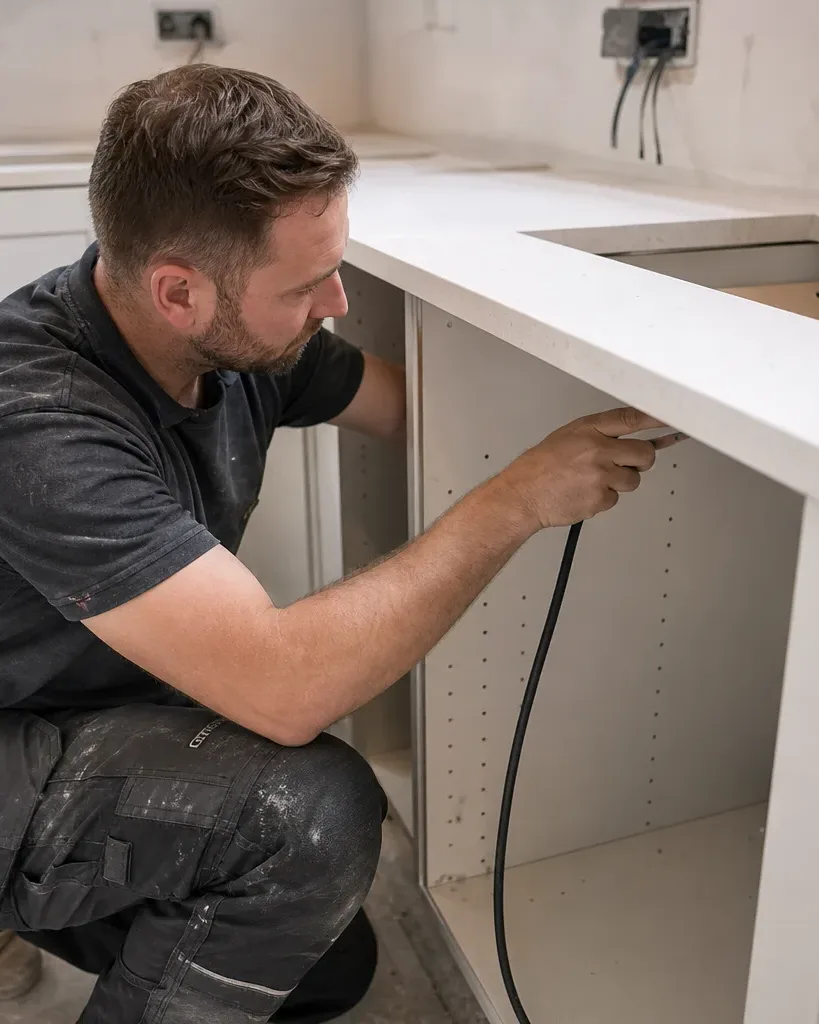
Induction hobs require a dedicated 32-amp or 40-amp circuit in most cases, depending on the model. If your consumer unit is older or your kitchen hasn't been rewired recently, an electrician will need to assess capacity before installation. Budget for additional electrical work if your property predates the 1990s. Most full-fit kitchen projects in East Lothian include an electrical survey as part of the planning stage, and any reputable installer will flag this early.
What Gas Needs
A gas hob requires a gas supply point at the right location within the kitchen, connection by a Gas Safe registered engineer, and adequate ventilation. Repositioning a gas supply point is possible but adds cost and complexity. In open-plan kitchens, some building standards also require additional consideration of ventilation routes. East Lothian Council planning guidance is worth checking if your kitchen forms part of a larger structural alteration.
Cookware Compatibility
Induction only works with ferrous pans, meaning cast iron and most stainless steel. Copper, aluminium, and older ceramic pans are incompatible unless they have an induction-ready base. If you're switching from gas to induction, factor in the cost of replacing non-compatible cookware. A decent set of induction-compatible pans runs from around £80 for budget options to £400 or more for professional-grade stainless steel.
Gas works with any cookware material. That flexibility matters if you have a collection of copper or aluminium pieces, or if you cook with a wok regularly. Cast iron performs well on gas but takes longer to heat evenly compared to induction.
Safety and Cleaning
Induction surfaces are easier to clean. Spills don't carbonise onto the glass because the surface temperature around the pan zone stays low. A damp cloth handles most residue after cooking. Gas hob grates, burner caps, and pan supports accumulate grease and require more systematic cleaning to stay hygienic and functioning correctly.
Safety profiles differ meaningfully. Induction poses no flame risk, no carbon monoxide risk, and the residual heat warning lights on modern units reduce accidental burns. Households with young children or elderly occupants often find this an important factor. Gas carries the low but non-zero risks associated with any combustion appliance, including the need for working carbon monoxide detectors and periodic servicing.
Resale and Long-Term Value
A well-planned kitchen renovation can add up to 5–10% to a property's resale value, and hob choice feeds into the overall quality perception buyers form. In East Lothian's current market, induction is widely seen as the premium, modern option. Estate agents in the area frequently highlight induction hobs in listings as a selling point alongside stone worktops and integrated appliances.
Gas hobs retain appeal among serious home cooks and buyers who specifically want them. The concern for sellers is that future buyers may face the same installation constraints noted above, particularly around gas availability in semi-rural parts of East Lothian.
Which Suits Your Kitchen Best?
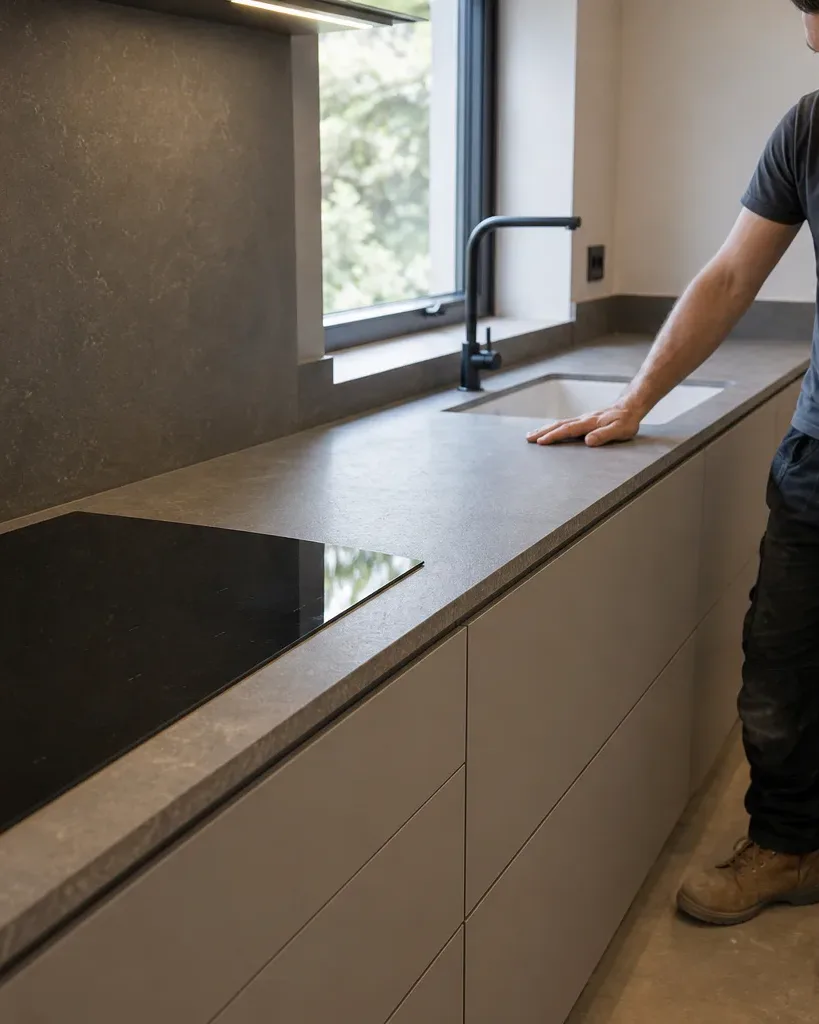
The right choice depends on your gas supply, your cookware, and how you cook. If you have mains gas, enjoy high-heat cooking, and already own compatible pans, a quality gas hob remains a capable, cost-effective option. If your property has no mains gas, you cook frequently, or you're prioritising ease of cleaning and precise temperature control, induction is the stronger choice for most East Lothian households today.
Both technologies fit comfortably into mid-range and premium kitchen projects. A full-fit kitchen in the £10,000–£20,000 range typically includes either type as standard. At the higher end, multi-zone induction hobs with integrated ventilation and flex-induction surfaces are increasingly common in bespoke projects across £20,000–£40,000+. Your kitchen designer or installer should walk you through the specific electrical or gas work required at your property before you commit to either option.
Frequently Asked Questions
Can I Fit a Gas Hob If My East Lothian Property Runs on LPG Rather Than Mains Gas?
Yes, but the appliance must be specifically rated for LPG use, which is a different gas pressure and jet size to natural gas. A Gas Safe registered engineer must carry out the connection and confirm your LPG storage and supply arrangement is suitable for a hob.
Do I Need an Electrician to Install an Induction Hob in My Existing Kitchen?
Almost certainly. Induction hobs typically require a dedicated 32-amp or 40-amp circuit. If your consumer unit lacks a spare circuit of that capacity, an electrician will need to upgrade or extend it before installation. Older properties in East Lothian may also need partial rewiring.
Is Induction Cheaper to Run Than Gas in Scotland?
Induction converts around 85–90% of energy into heat versus roughly 40–55% for gas, making it more efficient. However, electricity costs more per kWh than gas on most Scottish tariffs. For households cooking daily, induction tends to be cheaper overall; for less frequent use, the difference is smaller.
What Cookware Do I Need for an Induction Hob?
Induction requires pans with a ferrous base, meaning cast iron or induction-compatible stainless steel. Copper, aluminium, and older ceramic pans without a magnetic base will not work. Check the base of existing pans with a fridge magnet: if it sticks, the pan is compatible.
Does Hob Choice Affect the Resale Value of My Home in East Lothian?
It contributes to overall kitchen quality, which buyers notice. Induction hobs are increasingly associated with premium kitchens and appear regularly in estate agent listings as a selling point. Gas retains appeal with dedicated home cooks, but buyers who want it must have or install a gas supply, which can limit the pool of interested purchasers in rural parts of East Lothian.