Living Through a Kitchen Renovation in East Lothian - Practical Tips

How Long Will the Disruption Last?
Most kitchen fits in East Lothian run between 5 and 10 days for a small to medium-sized room, though larger or more complex projects can stretch to 2–4 weeks. That range covers open-plan reconfigurations, structural alterations, or bespoke cabinetry. Knowing your actual timeline before day one lets you plan meals, childcare, and work-from-home arrangements around the real schedule rather than a vague guess.
Before tradespeople arrive, ask your fitter for a day-by-day programme. Even a rough one helps. Days when there is no running water or no electricity to the kitchen circuit are the hardest to navigate, so identify those in advance.
Setting Up a Temporary Kitchen
A fold-out table, a kettle, a microwave, and a plug-in induction hob handle the vast majority of daily meals. Position them somewhere with a nearby socket and good ventilation, such as a utility room, garage corner, or dining area. Keep a washing-up bowl and a supply of water jugs nearby for those days when the plumber has isolated the mains.
Equipment Worth Borrowing or Buying
A slow cooker is genuinely useful here. You can load it in the morning, leave it in a safe spot away from the dust, and return to a hot meal without needing a hob. A compact air fryer covers everything else: reheating, roasting vegetables, cooking fish. Neither costs much if bought new, and both resell easily once your kitchen is complete.
Avoid paper plates for an entire fortnight. A small stack of reusable melamine plates and a single pot or pan keeps washing-up manageable without generating excessive waste.

Managing Food and Meals Day to Day
Batch cooking before the kitchen is stripped out makes a real difference. Spend a weekend preparing soups, stews, and pasta sauces that freeze well. Label everything with the date and reheat times. Families in East Lothian towns like Haddington or North Berwick have easy access to supermarkets, so restocking staples mid-renovation is straightforward.
Eating Out Without Overspending
Building a small eating-out budget into your renovation plan is realistic and sensible. Factor in two or three meals out per week rather than treating every evening as an emergency takeaway. Choosing a sit-down meal once a week keeps morale up without the cost spiralling. Local cafes and restaurants across East Lothian, from Musselburgh to Dunbar, offer lunch deals that work well for a weekday break.
Supermarket meal deals and deli counters are also practical for lunches. Buying prepared salads, rotisserie chicken, and bread requires no cooking at all and keeps costs controlled.
Protecting the Rest of Your Home
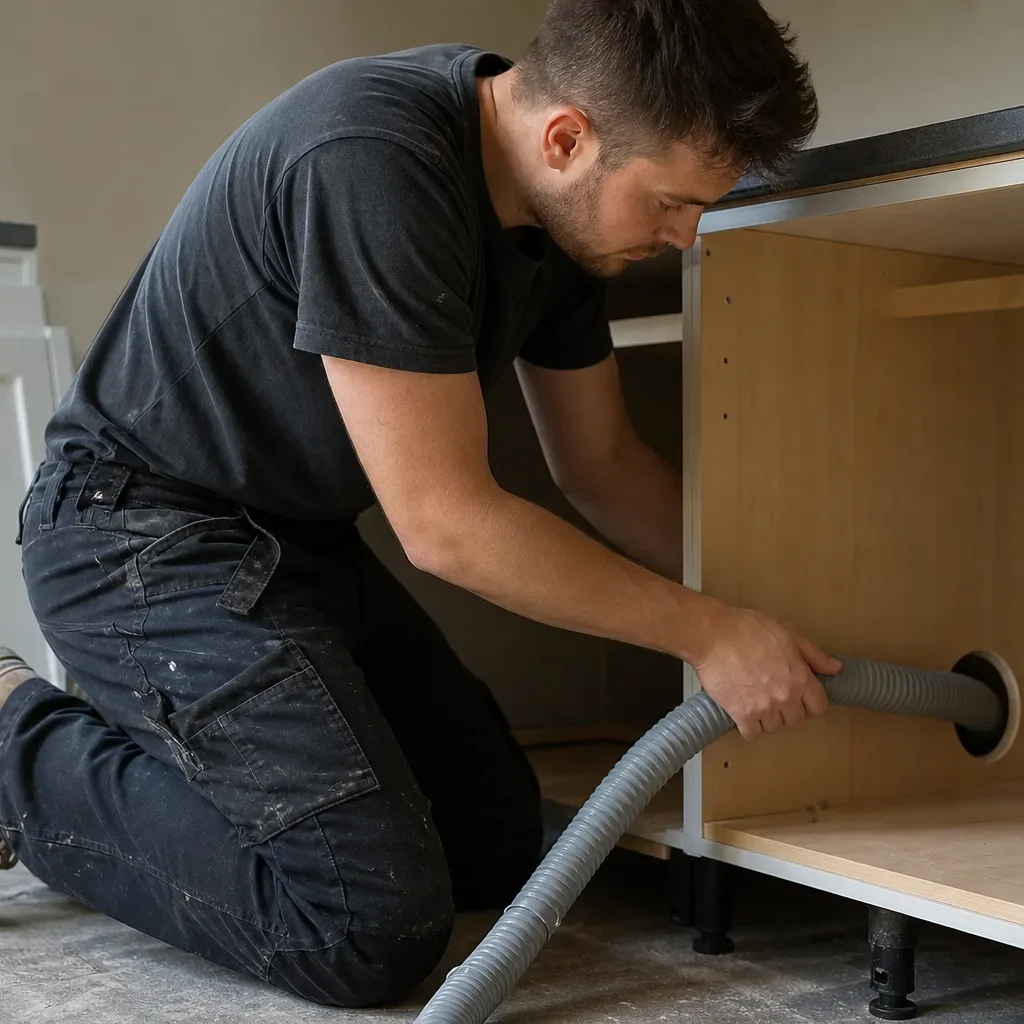
Kitchen renovations produce plaster dust, tile grout, and wood shavings that travel further than most people expect. Close internal doors between the kitchen and living areas each morning before work starts. A draught excluder rolled against the bottom of the door reduces dust migration noticeably.
Ask your fitter whether they use dust sheets and whether they seal doorways with plastic sheeting on particularly dusty days. Reputable tradespeople working to recognised trade body standards, such as those affiliated with Which? Trusted Traders or the Federation of Master Builders, typically include dust management as standard practice. Confirm this expectation before work begins rather than raising it mid-project.
Protecting Flooring and Furniture
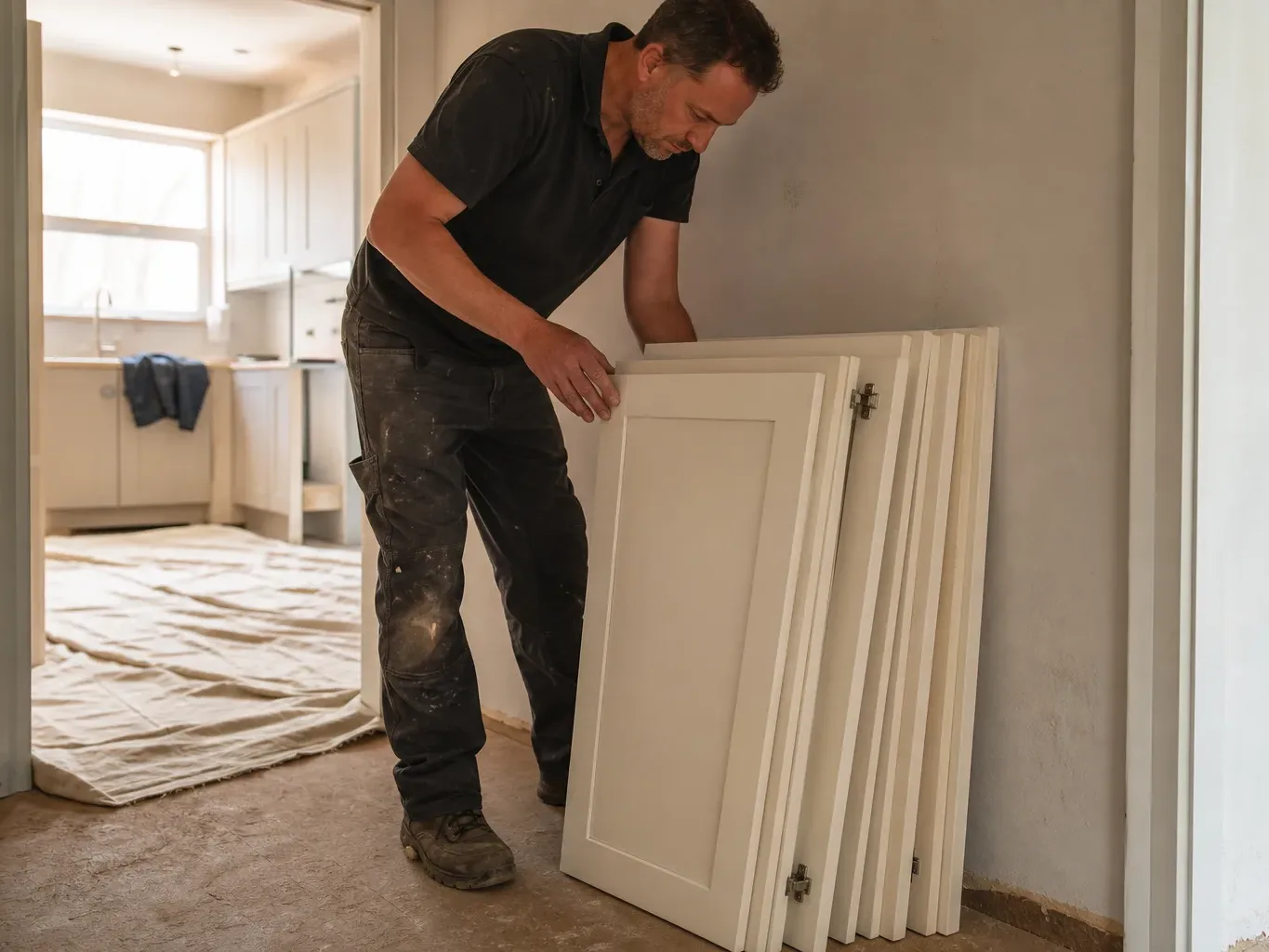
Remove any furniture from adjacent rooms that could absorb dust or get scratched by materials being carried through. Hard flooring in hallways benefits from a layer of protective board or thick cardboard taped down along the main route tradespeople use. This is especially relevant in older East Lothian properties where original parquet or flagstone flooring is irreplaceable.
Working Around the Tradespeople
Kitchen fitters in East Lothian typically charge £200–£350 per day per tradesperson. When multiple trades are on site, your home becomes genuinely busy. Plumbers, electricians, and tilers may overlap on certain days. Plan your own schedule so that you are not trying to take video calls from a room adjacent to tiling work.
If you work from home, identify the quietest room in the house and communicate your needs to the lead fitter at the start. Most experienced tradespeople will sequence noisy work, such as chasing walls or cutting tiles, to morning slots if asked. This is a reasonable request, not an inconvenience to them.
Keeping Children and Pets Safe
Active renovation sites have real hazards: exposed wiring, sharp cut edges on worktops, and adhesives with strong fumes. Establish a clear rule with children that the kitchen is off-limits during working hours. For pets, particularly dogs, the noise and unfamiliar people can cause distress. Arranging for a dog walker or a stay at a friend's house on the most intensive days is worth organising in advance.

Handling Deliveries and Lead Times
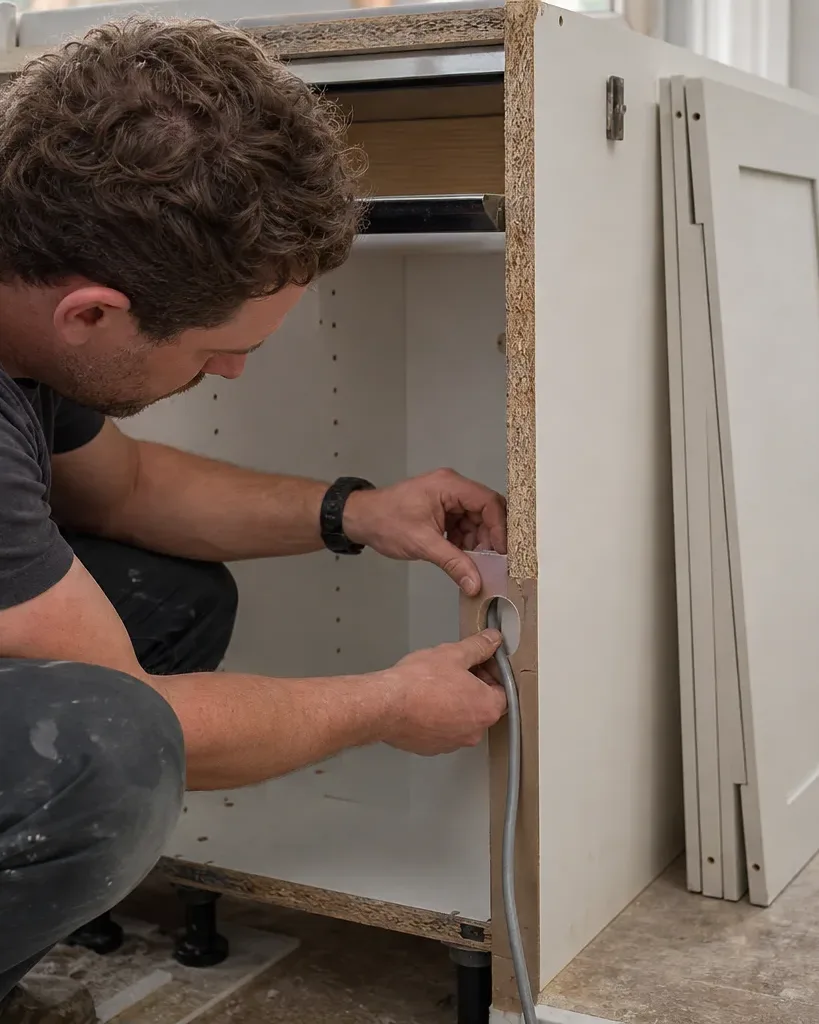
Kitchen units typically arrive 6–12 weeks after the order is placed, with bespoke or in-frame cabinetry often at the longer end of that window. Appliances, worktops, and accessories may arrive separately on different days. Coordinate with your supplier to consolidate deliveries where possible.
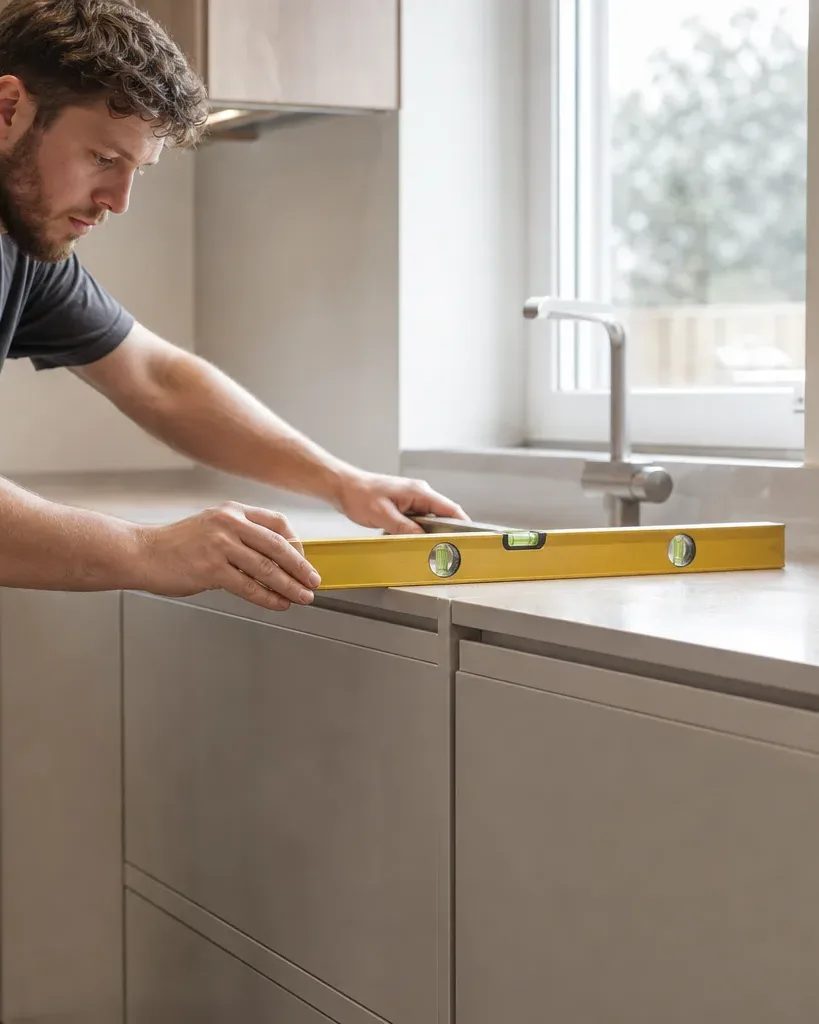
Worktop installation usually happens later in the project, once cabinets are level and fixed. Quartz and granite worktops, which typically cost £300–£600 per linear metre installed, require templating after the carcasses are in place. That means a gap of several days between cabinet installation and the worktop being fitted. Plan your temporary kitchen setup to cover this period specifically, as it is often when families feel most unsettled.
Staying on Top of Decisions and Changes
Late changes to a kitchen specification are one of the most common sources of delay and additional cost. Agreeing on socket positions, handle styles, and lighting placement before the first day avoids tradespeople waiting on decisions mid-installation. Write your choices down and share them with your fitter as a simple document.
When unexpected issues arise, such as discovering an old soil pipe behind a wall or finding that floor levels are uneven, stay calm and ask for a clear explanation and a revised timeline. Experienced fitters expect a certain level of site discovery and will have dealt with similar situations in East Lothian's mix of Victorian terraces, sandstone cottages, and modern builds.
Budgeting for the Full Project
A mid-range full-fit kitchen in East Lothian typically costs £10,000–£20,000, covering standard appliances, worktops, and installation. Entry-level fitted kitchens start from around £5,000–£10,000, while premium or bespoke projects with stone worktops and custom cabinetry often reach £20,000–£40,000 or above.
Beyond the kitchen itself, set aside a contingency of 10–15% of your total budget for unforeseen work. Older properties particularly benefit from this buffer. A well-planned renovation can add approximately 5–10% to a property's resale value, making the investment worthwhile for those planning to sell as well as those staying long term.
Initial design consultations are free of charge with most reputable East Lothian suppliers, so use that appointment to pin down the full scope, get a written quotation, and confirm what the workmanship guarantee covers. A minimum one-year workmanship guarantee is a reasonable baseline to expect.
Frequently Asked Questions
How Long Does a Kitchen Renovation Take in East Lothian?
A small to medium kitchen typically takes 5–10 days to fit. Larger kitchens involving structural changes, open-plan layouts, or bespoke cabinetry can take 2–4 weeks. Ask your fitter for a day-by-day programme before work starts so you can plan around the most disruptive phases.
What Is the Best Way to Set Up a Temporary Kitchen During a Renovation?
A kettle, microwave, and plug-in induction hob cover most daily meals. Add a slow cooker for easy batch cooking and a compact air fryer for flexibility. Position everything near a socket in a utility room, garage, or dining area, and keep a water jug and washing-up bowl handy for days when the mains supply is isolated.
How Do I Stop Dust Spreading Through the Rest of My House?
Close internal doors between the kitchen and living areas each morning before work begins. Use a draught excluder at the base of the door to reduce dust migration. Ask your fitter whether they seal doorways with plastic sheeting on particularly dusty days, such as when chasing walls or cutting tiles.
When Do Worktops Get Fitted During a Kitchen Installation?
Worktops are installed after the cabinet carcasses are level and secured. For quartz and granite, a template is taken first, which means there is a gap of several days before the worktop arrives cut to size. Plan your temporary kitchen setup to cover this period, as it is often the most unsettled phase of the project.
What Budget Should I Allow for a Kitchen Renovation in East Lothian?
Entry-level full-fit kitchens start from £5,000–£10,000. Mid-range projects with standard appliances and worktops typically cost £10,000–£20,000. Premium or bespoke kitchens can reach £20,000–£40,000 or more. Add a contingency of 10–15% on top of your quoted figure to cover unforeseen work, particularly in older East Lothian properties.