Kitchen Design Styles for East Lothian Homes
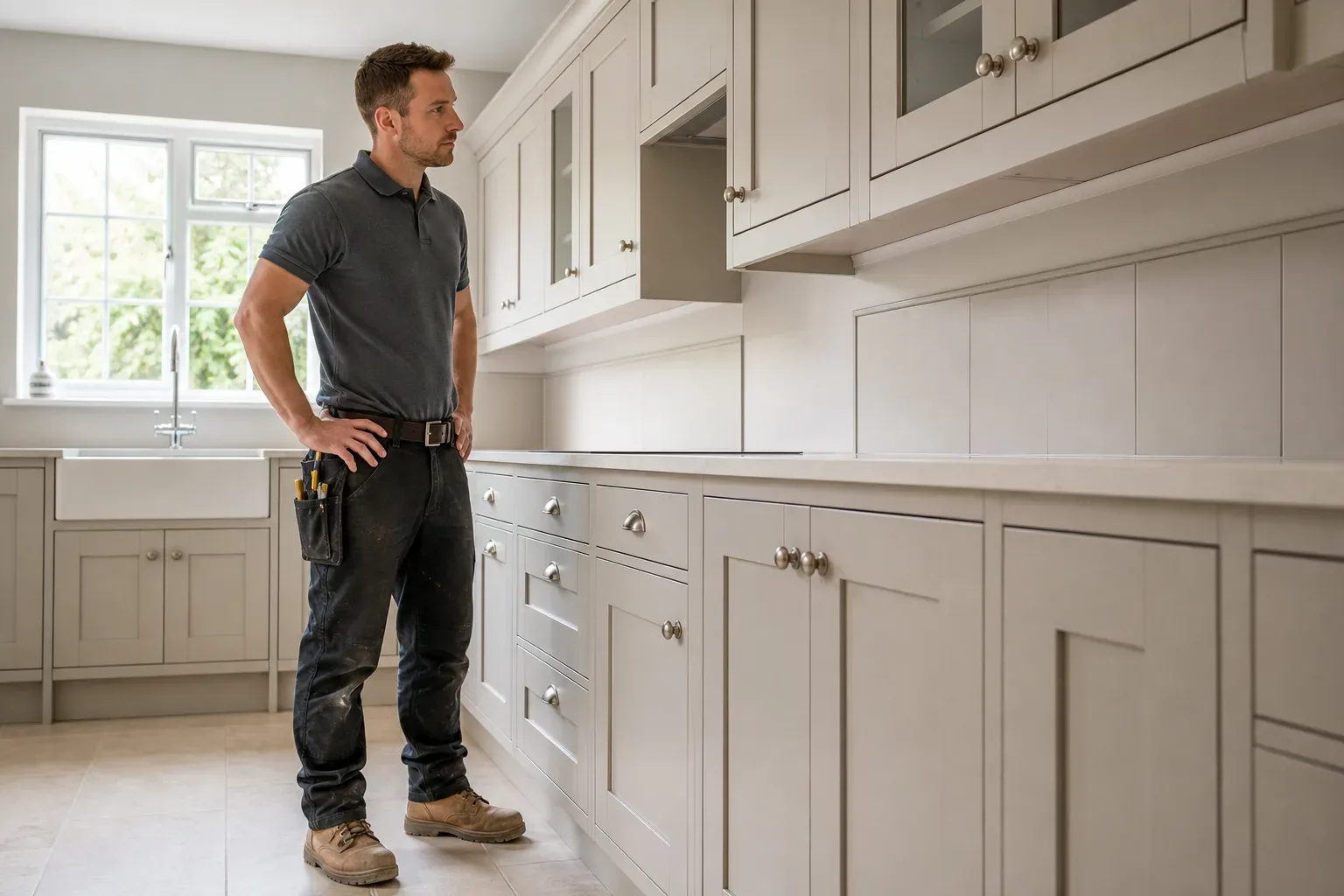
How Local Architecture Shapes Kitchen Choices
East Lothian's housing stock is unusually varied. Victorian terraces in Musselburgh sit alongside 1930s semis in Tranent, traditional stone farmhouses near Haddington, and newer builds along the North Berwick coast. That variety means there is no single dominant kitchen style here, but certain design approaches do suit the region's character better than others.
Older properties tend to have smaller, enclosed kitchen footprints with chunky cornices and deep window reveals. Newer builds often feature open-plan ground floors where the kitchen needs to hold its own as a social space. Getting the style right means reading the building first, then choosing a design language that feels intentional rather than grafted on.
What Are the Most Popular Kitchen Design Styles?
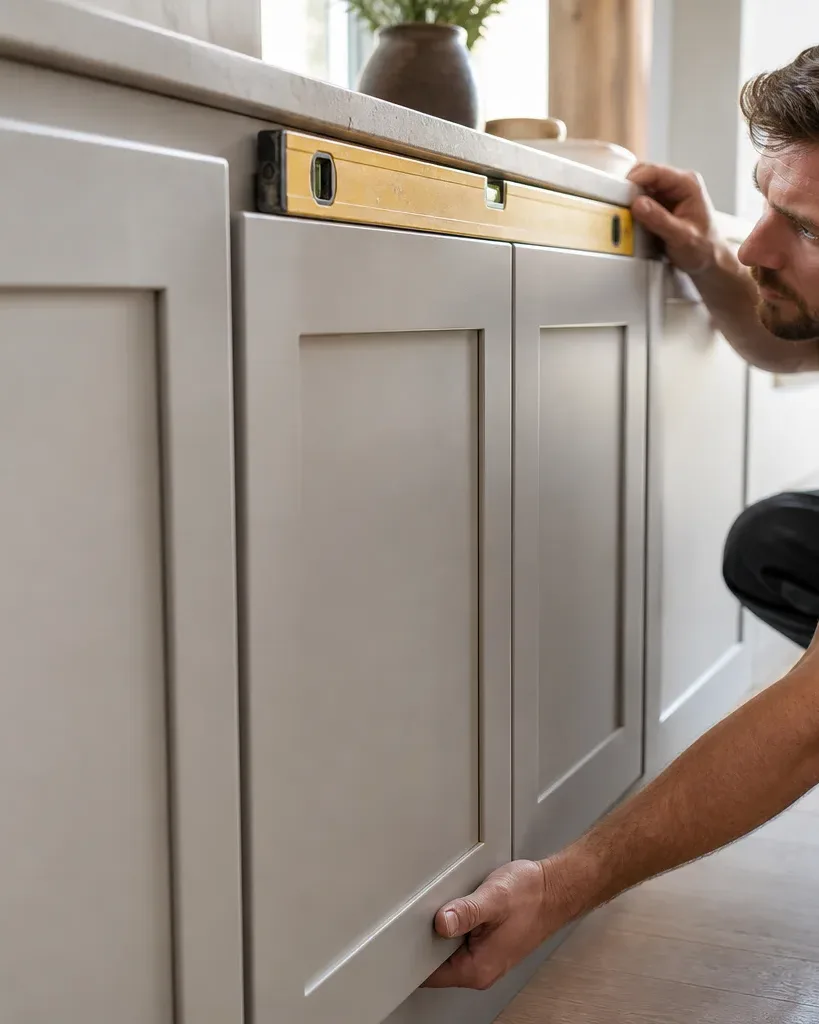
Shaker remains the most consistently chosen style across East Lothian, and across the UK generally. Its recessed-panel doors work in period properties and modern builds alike, which explains its endurance. Slab or handleless kitchens are the close second, popular in open-plan extensions where a cleaner visual line suits the space.
In-frame construction, where the cabinet door sits within a visible face frame, appeals to buyers renovating older stone or sandstone properties. It reads as traditional without being heavy. Country and Farrow-and-Ball-adjacent palettes, particularly sage, slate blue, and warm off-whites, have stayed popular in rural East Lothian villages.
Kitchen Design Styles - Shaker and Traditional Options
Shaker Kitchens
Shaker doors are available at every price point, from entry-level painted MDF through to solid timber in-frame versions. An entry-level fitted kitchen with Shaker doors typically falls in the £5,000–£10,000 range for supply and fit. Mid-range versions with stone worktops and integrated appliances generally run £10,000–£20,000.
For a stone farmhouse in East Lothian, a painted Shaker in muted green or navy with brass hardware and an oak worktop reads as properly considered. Solid wood worktops installed typically cost £150–£350 per linear metre, depending on species. Oak sits toward the lower end of that range; harder or less common timbers push toward the top.
In-Frame Kitchens
In-frame construction is the premium traditional option. The visible face frame around each door and drawer adds depth and craftsmanship that painted slab simply cannot replicate. Lead times can be longer than standard fitted kitchens. Most manufacturers quote 6–12 weeks from order to delivery, and bespoke or in-frame cabinetry often sits at the upper end of that window.
Budget accordingly: in-frame kitchens almost always fall into the high-end bracket of £20,000–£40,000 or above, particularly when paired with stone worktops and premium appliances. That investment can add up to 5–10% to a property's resale value, which matters in a market like North Berwick or Gullane where buyers scrutinise finish.
Contemporary and Handleless Kitchen Styles
Slab and Handleless Designs
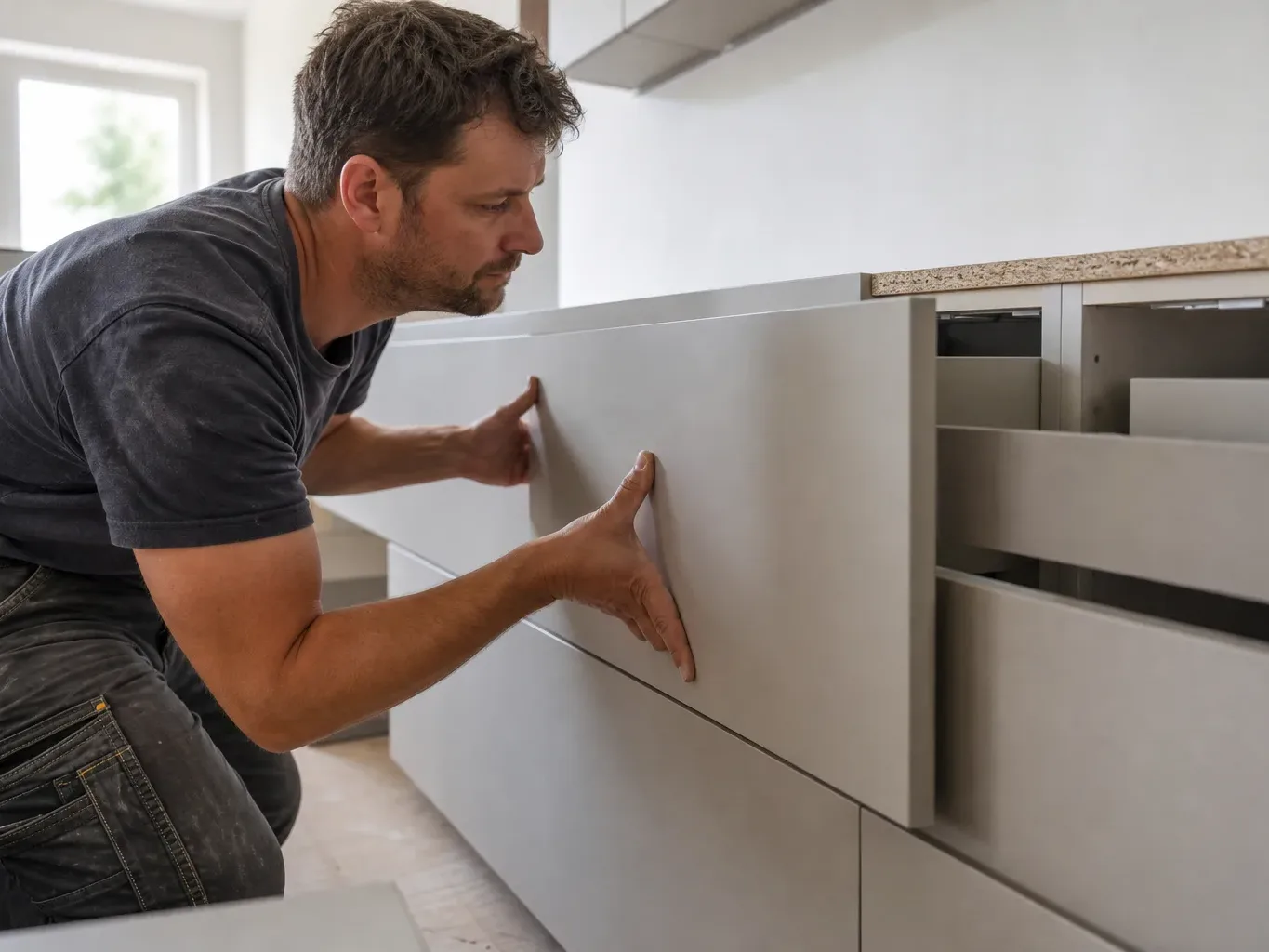
Slab doors, sometimes called handleless or flat-panel kitchens, dominate open-plan extensions and new builds. The absence of protruding handles creates a cleaner visual sweep, which works well when a kitchen flows directly into a dining or living area. High-gloss versions have faded in popularity; matt lacquered and textured finishes are more common now.
Colours have moved away from all-white. Warm greys, deep greens, and anthracite are well-represented in East Lothian showrooms. Worktop choice often defines the overall feel: quartz at £300–£600 per linear metre installed suits contemporary kitchens particularly well, as it can be fabricated in large slabs with minimal joins.
Porcelain Worktops in Modern Kitchens
Large-format porcelain slabs are a growing choice for handleless kitchens where visual continuity matters. Installed prices typically run £400–£700 per linear metre, reflecting specialist cutting and fixing requirements. Porcelain can wrap onto splashbacks and even cabinetry frontage for a fully integrated look that suits contemporary design well.
Rustic and Country Kitchen Styles
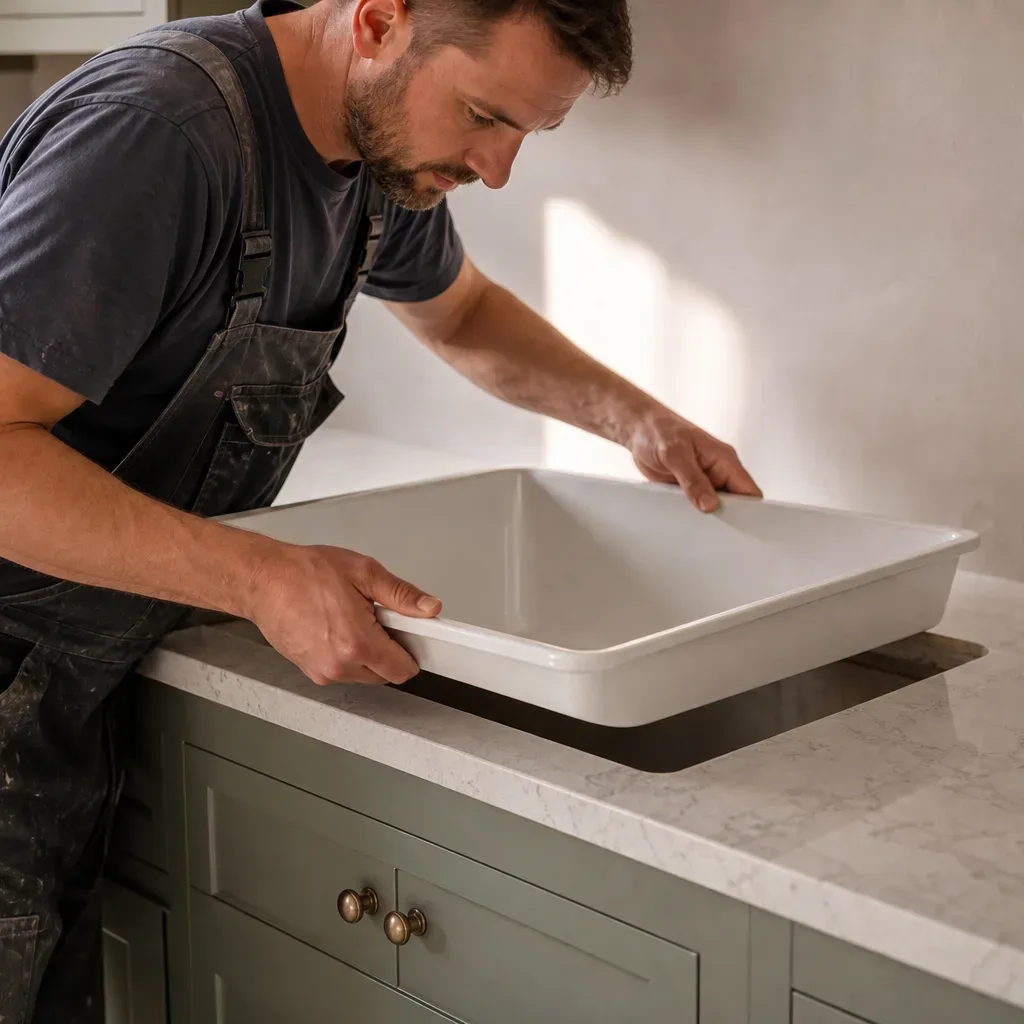
The country kitchen style has evolved beyond pine units and terracotta floor tiles. The current version tends toward painted cabinetry in dusty, muted tones, open shelving in a single bay, Belfast sinks, and unfussy slab or Shaker doors rather than ornate routed profiles. Brass or antique bronze hardware reinforces the palette without looking forced.
This style suits the older East Lothian village properties in places like Dirleton or Athelstaneford particularly well. A full-fit country kitchen at mid-range specification, including appliances and worktops, typically sits in the £10,000–£20,000 bracket. Adding bespoke painted cabinetry or a large island pushes the project toward the high-end range.
Coastal and Light-Filled Kitchen Styles
North Berwick, Dunbar, and Gullane properties close to the coast often benefit from a lighter, more relaxed palette. Soft whites, warm linens, and pale wood tones complement the natural light that east-facing coastal homes often receive in the morning. This is not a rigid design style so much as a colour and material philosophy applied to whichever door profile suits the building.
Natural materials work well here: solid wood worktops, rattan or cane pendant shades, and stone or large-format porcelain flooring. The goal is to avoid anything that feels heavy or dark, since coastal kitchens tend to be used throughout the day and need to feel comfortable across changing light conditions.
Choosing a Style That Suits Your Property
The most reliable starting point is the age and character of the building. A 1970s semi in Prestonpans does not need to pretend it is a Victorian farmhouse; a handleless kitchen in warm grey with quartz worktops will look far more considered than a forced country aesthetic. Conversely, a traditional stone cottage in Gifford deserves cabinetry with some depth and craftsmanship.
Installation time for most fitted kitchens in East Lothian runs 5–10 days for a standard space. Larger or more complex projects, particularly those involving structural alterations or open-plan reconfigurations, typically take 2–4 weeks. Factor that timeline into your planning, especially if you are also managing other trades.
A reputable local kitchen designer will offer an initial design consultation free of charge. Use that visit to bring photos of the room at different times of day, note which walls receive natural light, and be clear about whether the kitchen is primarily functional or also a social space. That information shapes style choices more than any trend guide can.
Frequently Asked Questions
What Are the Most Popular Kitchen Design Styles?
Shaker remains the most popular kitchen design style in the UK and in East Lothian specifically, thanks to its versatility across period and modern properties. Handleless or slab kitchens are the second most common choice, particularly in open-plan extensions. In-frame cabinetry, country-style kitchens, and coastal-influenced designs also appear regularly across East Lothian homes.
Kitchen Design Styles 2024
As of 2024 and into 2026, the dominant trends have been matt lacquered handleless kitchens in warm greens, greys, and anthracite, alongside a revival of painted in-frame cabinetry in heritage tones. All-white high-gloss kitchens have declined. Stone and porcelain worktops in large-format slabs have grown in popularity, and open shelving incorporated into one section of cabinetry remains a common detail across most styles.
Which Kitchen Style Suits Older East Lothian Properties?
Shaker and in-frame styles generally suit older East Lothian properties best, particularly Victorian terraces, sandstone semis, and traditional stone cottages. These styles have visual depth and craft detail that complements period architecture. Paired with painted finishes in muted tones and natural worktop materials, they read as considered rather than retrofitted.
How Much Does a Fitted Kitchen Cost in East Lothian?
Entry-level fitted kitchens in East Lothian typically cost £5,000–£10,000 for supply and full-fit, covering basic cabinetry and standard finishes. Mid-range kitchens with integrated appliances and stone or solid wood worktops generally run £10,000–£20,000. Premium or bespoke kitchens, including in-frame cabinetry and high-specification appliances, usually fall in the £20,000–£40,000 range or above.
What Worktop Material Works Best with Different Kitchen Styles?
Solid wood worktops, costing around £150–£350 per linear metre installed, complement Shaker, in-frame, and country-style kitchens well. Quartz at £300–£600 per linear metre suits contemporary handleless designs and is practical for busy households. Porcelain slabs at £400–£700 per linear metre work particularly well in modern kitchens where visual continuity across surfaces and splashbacks is a priority.