Integrated vs Freestanding Appliances for East Lothian Kitchens
The Core Difference Between the Two Approaches
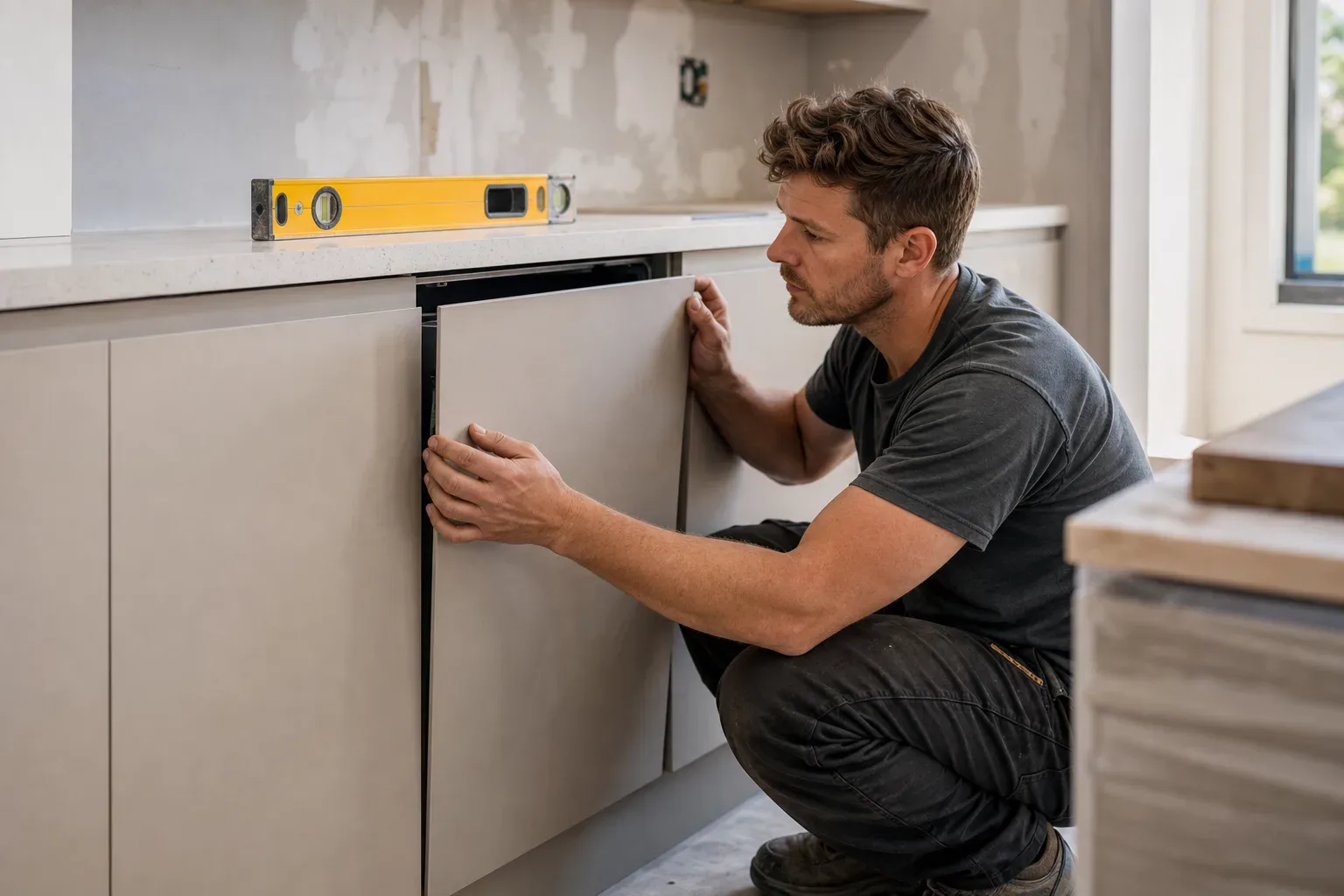
Integrated appliances sit behind cabinet doors that match the rest of your kitchen, hiding the appliance body entirely. Freestanding appliances have their own finished casing and stand independently, which means they can be repositioned or replaced without touching the cabinetry around them. That single structural difference drives most of the practical trade-offs discussed below.
In East Lothian homes, both approaches are common. Coastal properties in North Berwick and period houses in Haddington's conservation area often favour a clean, uncluttered look that integrated appliances deliver well. Rental properties in Musselburgh and Tranent tend to lean toward freestanding units for straightforward replacement.
Integrated vs Freestanding Appliances - What the Choice Actually Involves
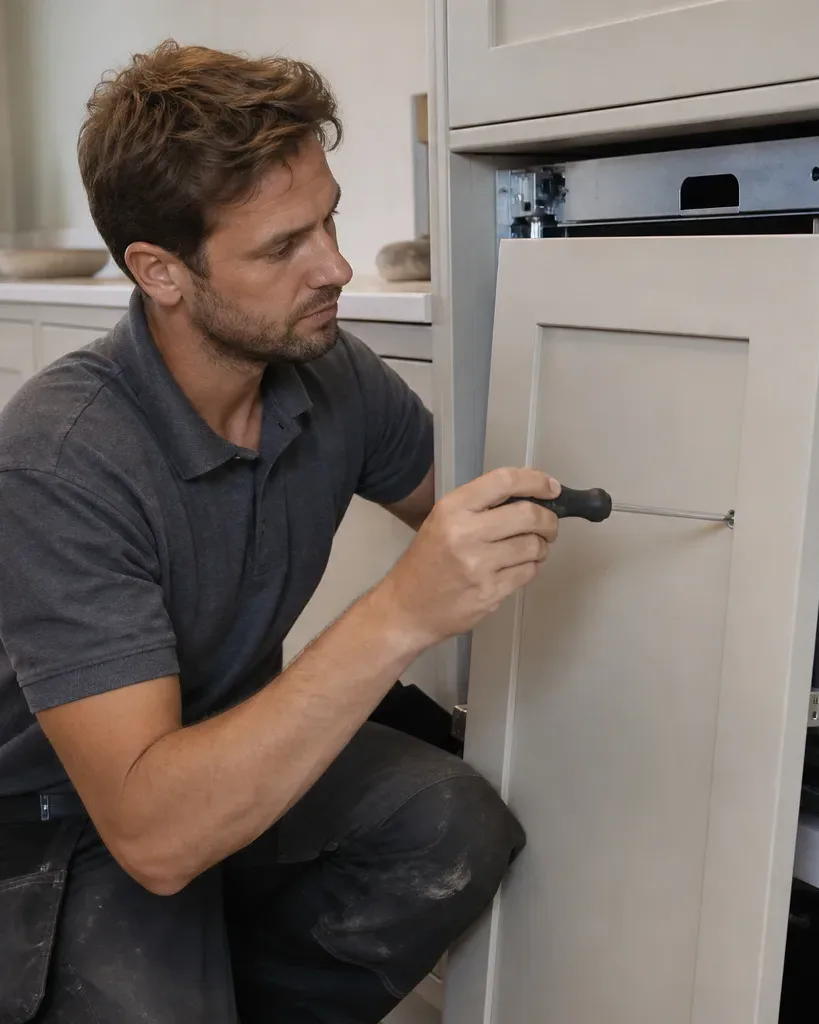
Integrated appliances require purpose-built cabinet housings, so the decision must be made before cabinetry is ordered. Retrofitting an integrated dishwasher or oven into a kitchen designed for freestanding units usually means replacing the surrounding cabinets, not just swapping the appliance. That makes the choice more consequential than buyers sometimes realise at the planning stage.
Freestanding appliances slot into a gap in the run and can be upgraded independently. A fridge-freezer bought today can move to a new kitchen in ten years without any cabinetry cost. That flexibility is worth weighing against the aesthetic compromise of visible appliance sides and different finishes across the room.
Aesthetics and Space Perception
A fully integrated kitchen reads as one continuous surface, which makes even a modest kitchen feel more ordered. The effect is particularly useful in open-plan layouts where the kitchen is visible from a living or dining area. Freestanding appliances introduce visual breaks, though premium stainless-steel ranges can look intentional rather than mismatched.
Room size matters here. Kitchens under roughly 10 square metres often benefit most from the visual simplicity of integration, while larger kitchens can absorb freestanding statement pieces without feeling cluttered.
Integrated Kitchen Appliances Cost
Integrated appliances typically cost 20–40% more than comparable freestanding models, and that figure excludes the cabinetry needed to house them. A mid-range integrated dishwasher runs £400–£700 for the appliance alone; a freestanding equivalent at the same performance level often sits at £300–£500. The gap narrows at the premium end, where freestanding ranges from brands like Smeg or Rangemaster carry their own significant price premium.
Cabinet housings add further cost. A single integrated appliance housing, including the door on a soft-close hinge, typically adds £150–£400 to the cabinetry bill depending on the supplier and finish. Across a full kitchen with an integrated fridge-freezer, dishwasher, oven, and microwave, that overhead accumulates quickly.
For context, a mid-range full-fit kitchen in East Lothian runs £10,000–£20,000 including standard appliances. Specifying fully integrated appliances throughout often nudges a build toward the upper end of that band or into the £20,000–£40,000-plus bracket that applies to premium and bespoke projects. A kitchen fitter day rate in East Lothian sits at £200–£350 per person, and integration work typically requires more precise fitting time than freestanding alternatives.
Running Costs and Energy Ratings
The appliance type, not the installation style, determines energy consumption. An integrated fridge-freezer and a freestanding model from the same manufacturer with identical A ratings will use the same power. The caveat is ventilation: integrated fridges need adequate airflow within the housing, and a poorly ventilated housing can reduce efficiency by 5–10%. Your kitchen fitter should confirm the housing dimensions match the appliance's ventilation requirements before installation.
Replacing and Repairing Appliances Over Time
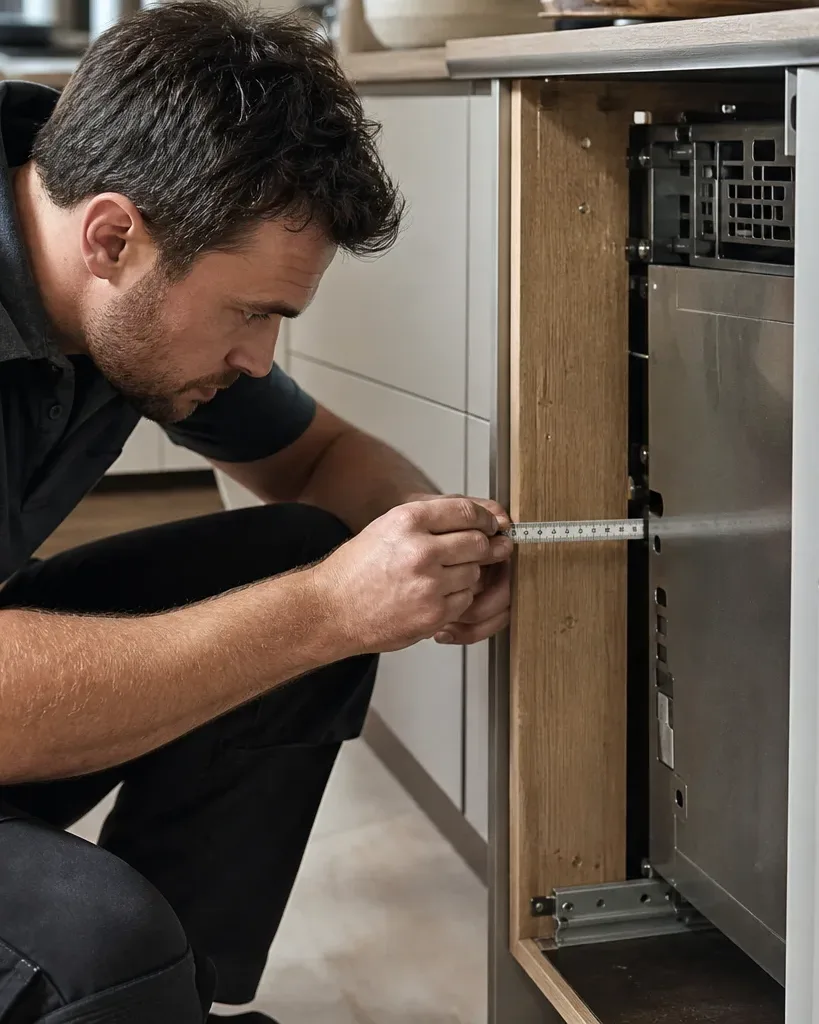
Freestanding appliances are straightforward to replace. Pull out the old unit, slide in a new one of the same width, done. Integrated appliances require a replacement that matches the original cabinet opening, typically 55 cm, 60 cm, or 45 cm wide depending on the appliance type.
If a standard size has been used, replacement is manageable. Problems arise when an appliance is discontinued and its replacement uses a slightly different hinge system or panel-fixing bracket. Budget for a handyman or kitchen fitter visit when replacing integrated units. The repair call-out itself is often no more complex than for a freestanding appliance, but accessing some integrated units requires removing the door panel first.
Which Suits East Lothian Buyers Best
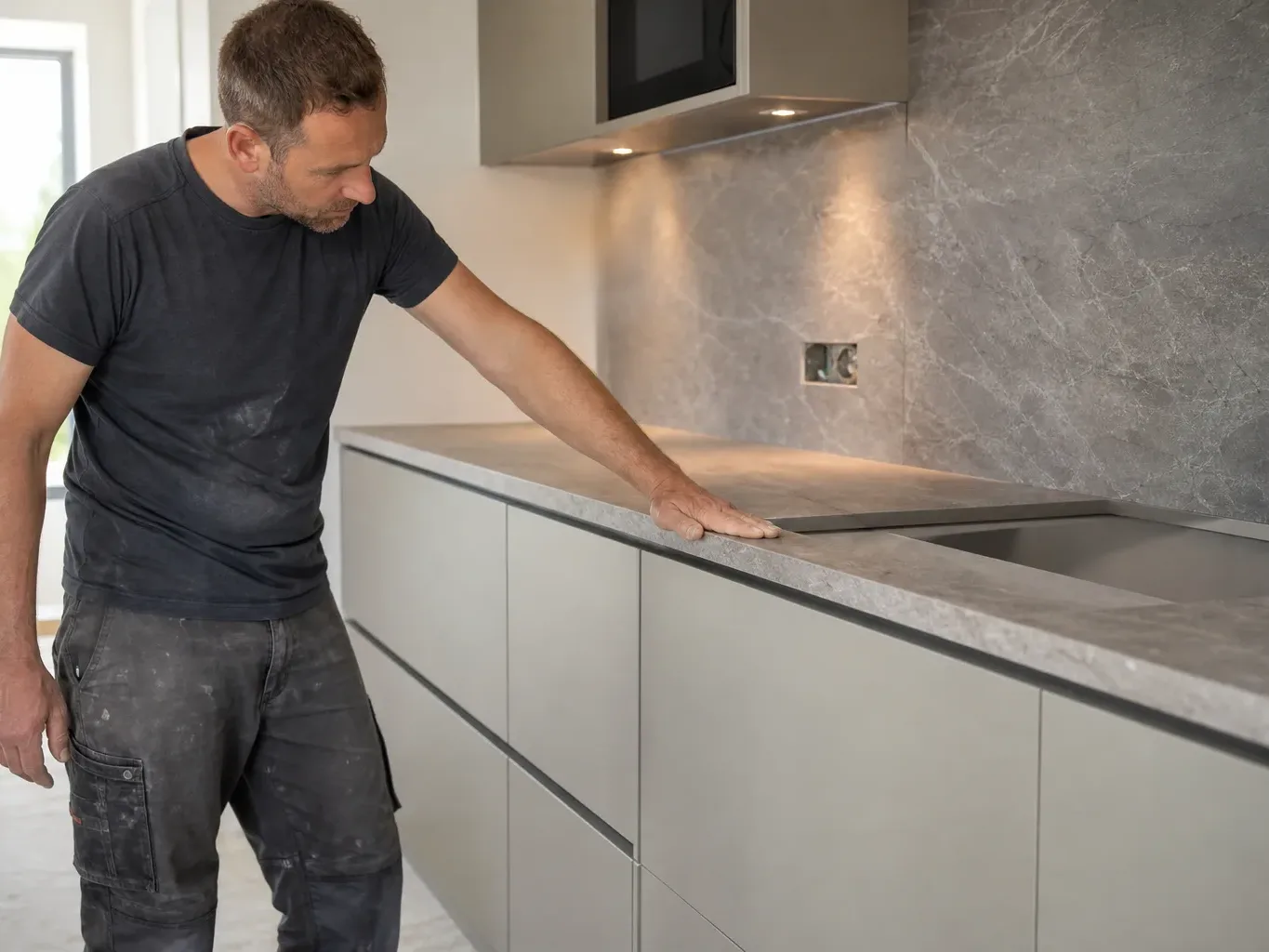
There is no single right answer, but a few practical filters help. If you are fitting a kitchen you plan to sell within five years, a sleek integrated layout photographs well and the widely cited estimate of a 5–10% uplift to resale value applies most reliably to kitchens that look coherent in marketing images. Estate agents covering North Berwick, Gullane, and Dirleton consistently note that kitchen presentation affects buyer perception before viewings even happen.
If budget is the primary constraint, freestanding appliances free up money for better worktops or cabinetry, which buyers and visitors actually touch and use daily. A solid wood worktop at £150–£350 per linear metre installed, or a quartz surface at £300–£600 per linear metre, can have more impact on perceived quality than whether the dishwasher is hidden behind a door.
Rental properties benefit from freestanding units almost without exception. Tenants replace appliances; landlords want straightforward like-for-like swaps without a cabinetry bill attached.
Mixing the Two Approaches
Many East Lothian kitchens use a hybrid layout: integrated dishwasher and fridge-freezer for the clean line at eye level, freestanding range cooker as a focal point. This captures the visual benefit where it matters most while keeping the flexibility and drama that a statement cooker provides. Specify the integrated units first so the cabinetry run is designed around them, then size the cooker gap accordingly.
Timing the Decision in Your Build
Kitchen manufacturers typically require 6–12 weeks lead time from order to delivery. Appliance specifications need to be confirmed before cabinetry is ordered, not after, because housing dimensions are built into the cabinet design. Leaving appliance decisions until late in the process is one of the most common causes of delay on East Lothian kitchen projects.
A reputable local kitchen supplier will offer a free initial design consultation and should flag housing requirements during the first or second meeting. Confirm appliance models, not just categories, before signing off on the cabinet drawings. That single step prevents the majority of costly late changes.
Frequently Asked Questions
Integrated vs Freestanding Appliances - Which Is Better?
Neither is universally better. Integrated appliances create a cleaner look and can support resale value, but cost more upfront and are harder to replace. Freestanding appliances are more flexible and easier to swap out, making them a practical choice for rental properties or tighter budgets.
What Do Integrated Kitchen Appliances Cost?
Integrated appliances typically cost 20–40% more than freestanding equivalents at the same performance level. A mid-range integrated dishwasher runs roughly £400–£700, and each appliance housing adds £150–£400 to the cabinetry bill. A fully integrated kitchen in East Lothian often sits toward the upper end of the £10,000–£20,000 mid-range band or beyond.
Can I Replace an Integrated Appliance Without Replacing the Cabinets?
Yes, as long as the replacement matches the original cabinet opening width (typically 55 cm, 60 cm, or 45 cm) and uses a compatible hinge or fixing system. If the original model has been discontinued and the replacement uses a different bracket design, you may need a brief visit from a kitchen fitter to adapt the door panel.
Do Integrated Appliances Add Value to a Home in East Lothian?
A well-designed kitchen with integrated appliances photographs well and presents cohesively during viewings, which supports buyer perception. A kitchen renovation is broadly estimated to add 5–10% to a property's resale value, and integrated layouts tend to reinforce that outcome when the overall finish is consistent.
When Do I Need to Choose Between Integrated and Freestanding Appliances?
The choice must be made before cabinetry is ordered, not after. Kitchen cabinet dimensions are built around specific appliance housings, and integrated units in particular require purpose-built spaces. Given that kitchen delivery lead times typically run 6–12 weeks, confirming appliance models early prevents costly delays or redesigns later in the project.