Solid Wood Worktops in East Lothian - Care, Costs, and Suppliers
Solid wood worktops bring a warmth to a kitchen that no laminate or engineered surface quite replicates. Oak is the most popular choice across East Lothian, though walnut, iroko, and beech all appear regularly in local kitchen projects. Each species behaves differently under heat and moisture, so choosing the right timber and maintaining it properly matters as much as the initial purchase.
What Solid Wood Worktops Cost in East Lothian
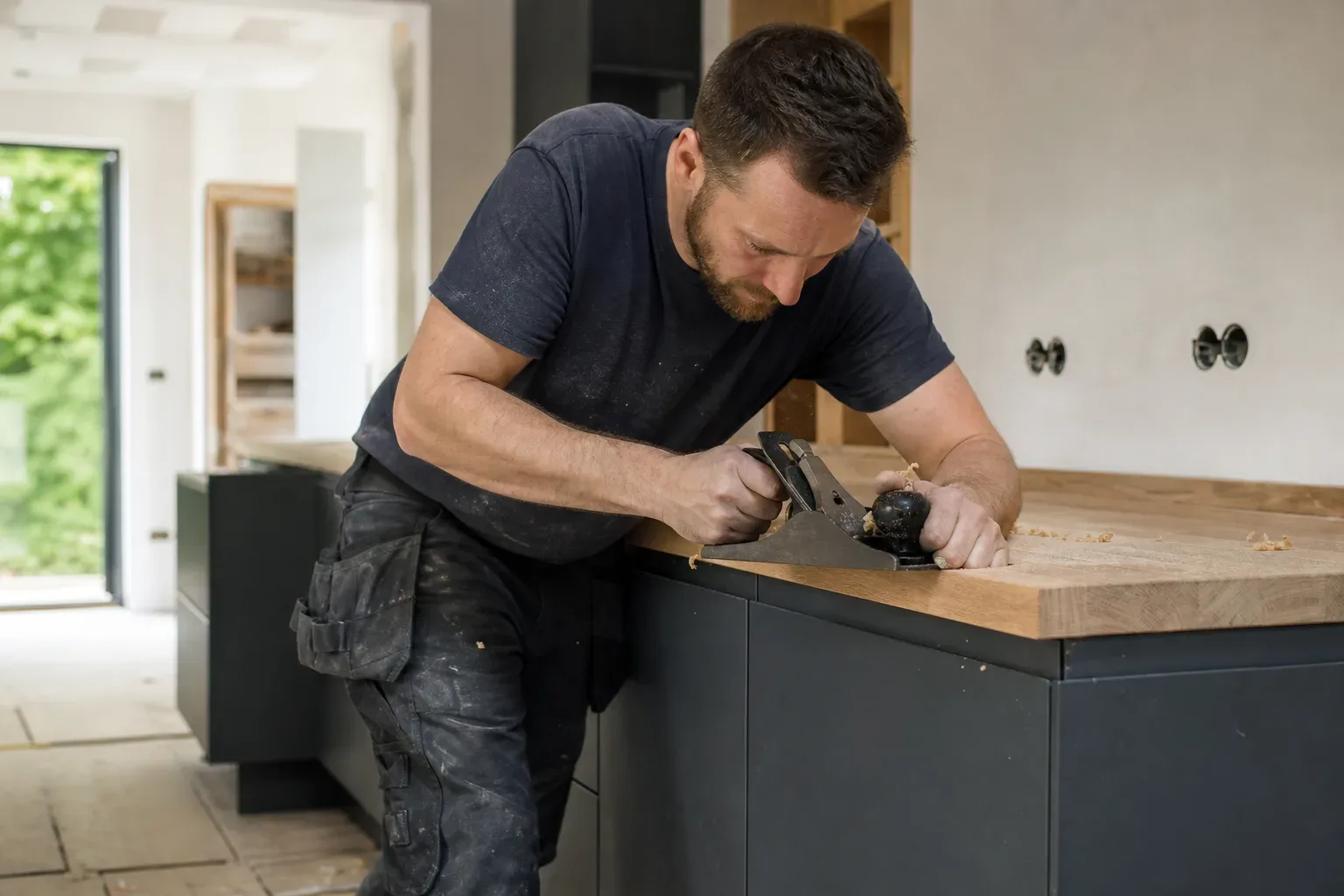
Installed prices for solid wood worktops in East Lothian typically sit between £150 and £350 per linear metre. Oak and standard hardwoods come in toward the lower end of that range; rarer timbers such as American black walnut or iroko push toward the upper end. These figures include templating, fabrication, and fitting by a competent kitchen fitter working at the prevailing East Lothian day rate of £200–£350 per tradesperson.
The difference in price between species is significant enough to affect a project budget noticeably. A 4-metre run of oak worktop, fully fitted, might cost around £600–£900, while the same run in a premium hardwood could reach £1,200–£1,400. Always get itemised quotes so you can see where material costs end and labour begins.
How Solid Wood Compares with Other Worktop Materials
Quartz sits above wood in price terms, at £300–£600 per linear metre installed, while porcelain is higher still at £400–£700 per linear metre. Solid wood is therefore one of the more accessible natural-material options. The trade-off is ongoing maintenance: quartz and porcelain need almost none, whereas wood demands regular oiling.
Choosing the Right Timber Species
Oak is the default recommendation for most East Lothian kitchens because it is dense, widely available, and responds well to oiling. Beech is cheaper and fine for low-moisture areas, but it dents more easily and is less tolerant of a damp environment near the sink. Walnut offers a darker, more characterful grain and suits contemporary handleless kitchens particularly well.
Iroko, sometimes sold as African teak, is naturally oily and highly moisture-resistant, making it a practical choice around sinks and hobs. It works beautifully in coastal properties, which are common across North Berwick and Dunbar, where humidity from sea air can stress less stable timbers. Always ask your supplier for the moisture content of the boards before they are fitted.
Stave, Finger-Jointed, and Solid Plank Construction
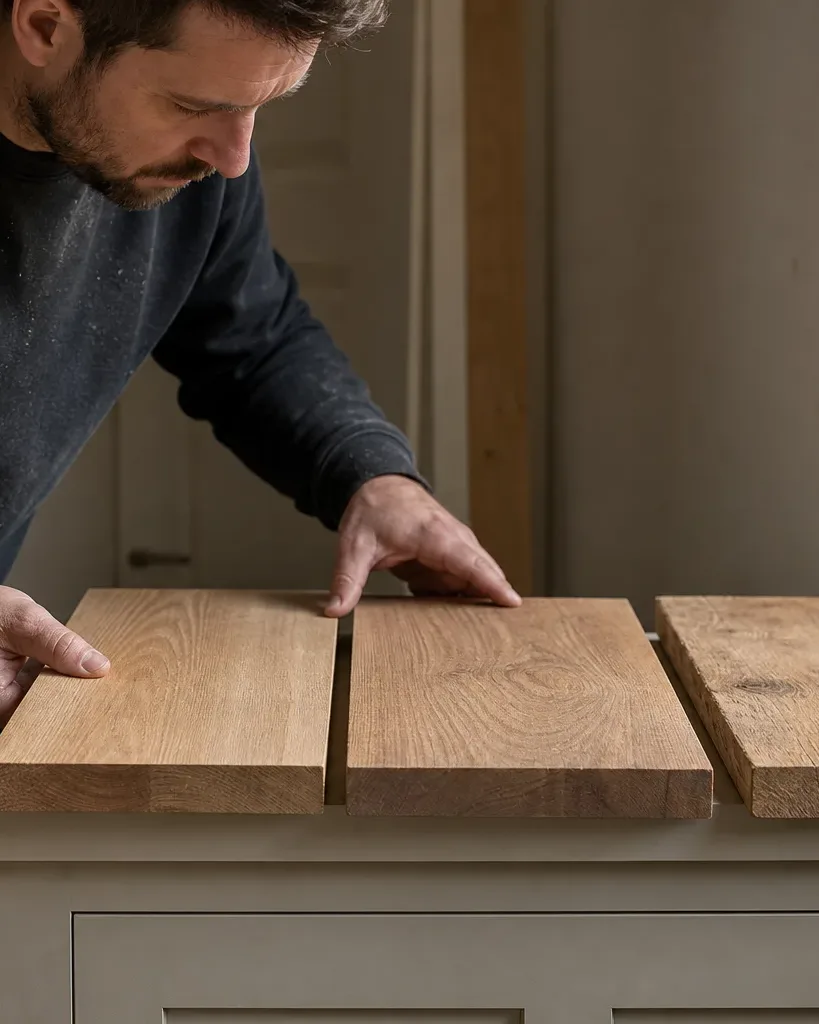
Most fitted solid wood worktops sold in the UK are stave-constructed: multiple narrow strips of timber glued side by side. This construction is more dimensionally stable than a solid plank and less prone to cupping or splitting as humidity changes. Finger-jointed boards are cheaper still, but the visible end-grain joints can be an aesthetic drawback in a high-spec kitchen. Solid-plank construction offers the most impressive appearance but commands a significant premium and requires more careful acclimatisation before fitting.
Day-to-Day Care and Long-Term Maintenance
The single most important maintenance task is oiling. A new worktop should receive three to four coats of Danish oil or a dedicated hardwax oil before the kitchen is used, with each coat fully absorbed and lightly sanded between applications. After that, re-oiling two to four times per year keeps the surface hydrated and resistant to staining.
Standing water is the main enemy. Spills left for more than a few minutes will begin to raise the grain and, over time, cause the timber to swell and darken. A sealed draining area next to the sink is worth considering if you want a wood worktop to last without constant remediation.
Sanding Back and Refinishing
One genuine advantage of solid wood over quartz or porcelain is repairability. A surface that has developed deep staining, burn marks, or significant scratches can be sanded back to bare wood and re-oiled from scratch. Light surface scratches often disappear with a single application of oil and a gentle rub with fine wire wool. A full resand typically takes a morning's work and returns the surface to a near-original condition.
This repairability is part of why a well-maintained solid wood worktop can genuinely outlast the cabinets beneath it. East Lothian homeowners who invest in proper oiling from the outset often find their worktops still in serviceable condition after 15 or 20 years.
What to Avoid
Hot pans placed directly on an oiled surface will leave scorched rings that require sanding out. Always use a trivet or pan stand. Bleach-based cleaners and abrasive scourers strip the oil finish rapidly and should be replaced with mild soap and warm water. Avoid silicone sealants as the primary waterproofing method around the sink upstand; a properly oiled and fitted worktop with a neat bead of clear sealant where it meets the wall is the standard approach.
Finding Solid Wood Worktops in East Lothian
Local kitchen showrooms across East Lothian, including those serving Haddington, Musselburgh, Tranent, and Prestonpans, typically carry solid wood worktops as a standard offering alongside quartz and laminate. The advantage of buying locally is the ability to see and feel sample boards under natural light before committing. Many suppliers also offer templating and fitting as a package, which reduces the number of trades you need to co-ordinate.
For supply-only purchase, several national online retailers ship directly to East Lothian postcodes and offer competitive pricing on oak and hardwood boards. If you go this route, you will need to arrange fitting separately; a kitchen fitter familiar with solid wood is preferable, as the material requires different techniques than laminate, particularly around sink cut-outs where sealing the end grain is critical.
What to Ask a Supplier Before Ordering
Ask for the moisture content of the boards, which should be 8–12% for an interior installation. Confirm the construction method and whether the boards have been pre-oiled. Clarify the lead time; most kitchen orders take 6–12 weeks, though worktops ordered separately from a timber merchant can sometimes be turned around faster. Check whether the supplier offers templating or whether you need to provide exact measurements yourself.
Fitting Solid Wood Worktops as Part of a Kitchen Installation
Solid wood worktops are most commonly fitted as part of a broader kitchen installation project. A small to medium kitchen in East Lothian typically takes 5–10 days to complete from start to finish, with worktop fitting occurring toward the end of the programme once units are level and secured. Larger or more complex projects involving structural changes can run to 2–4 weeks.
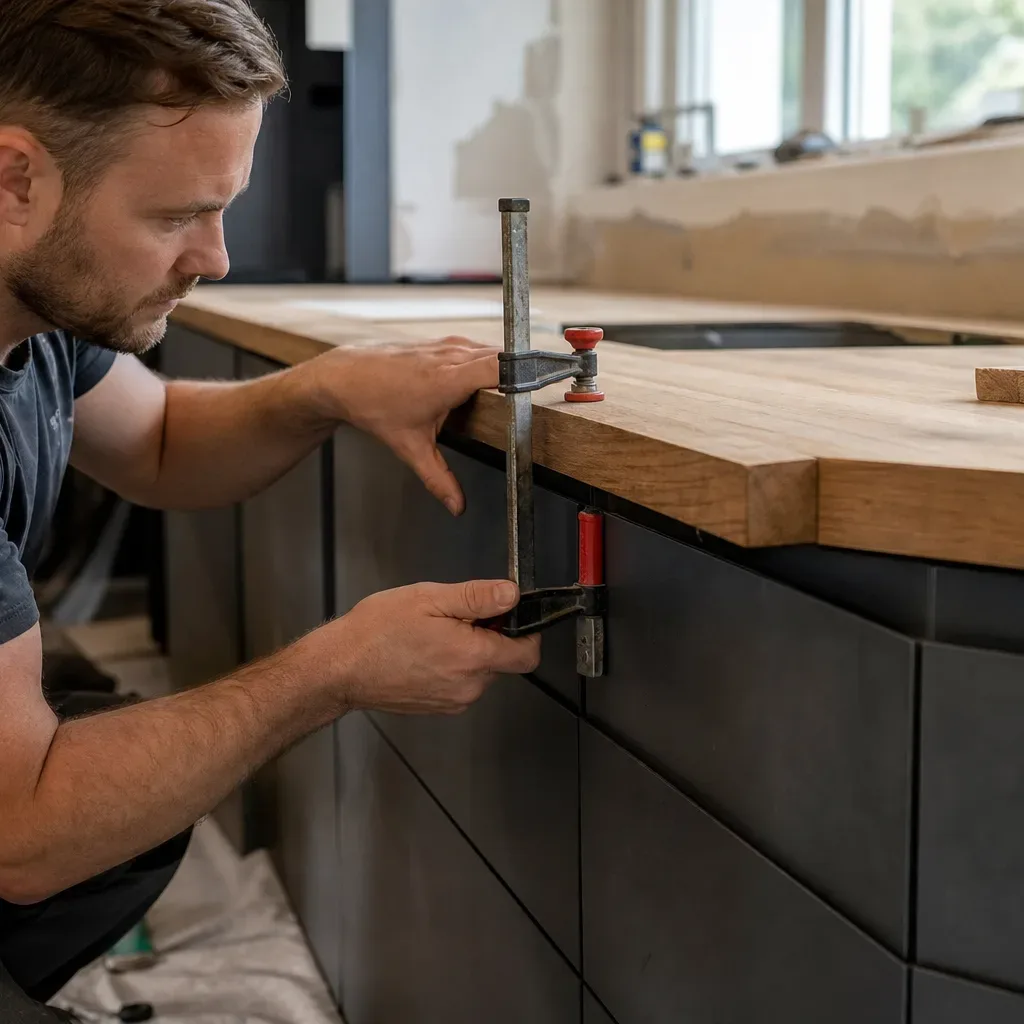
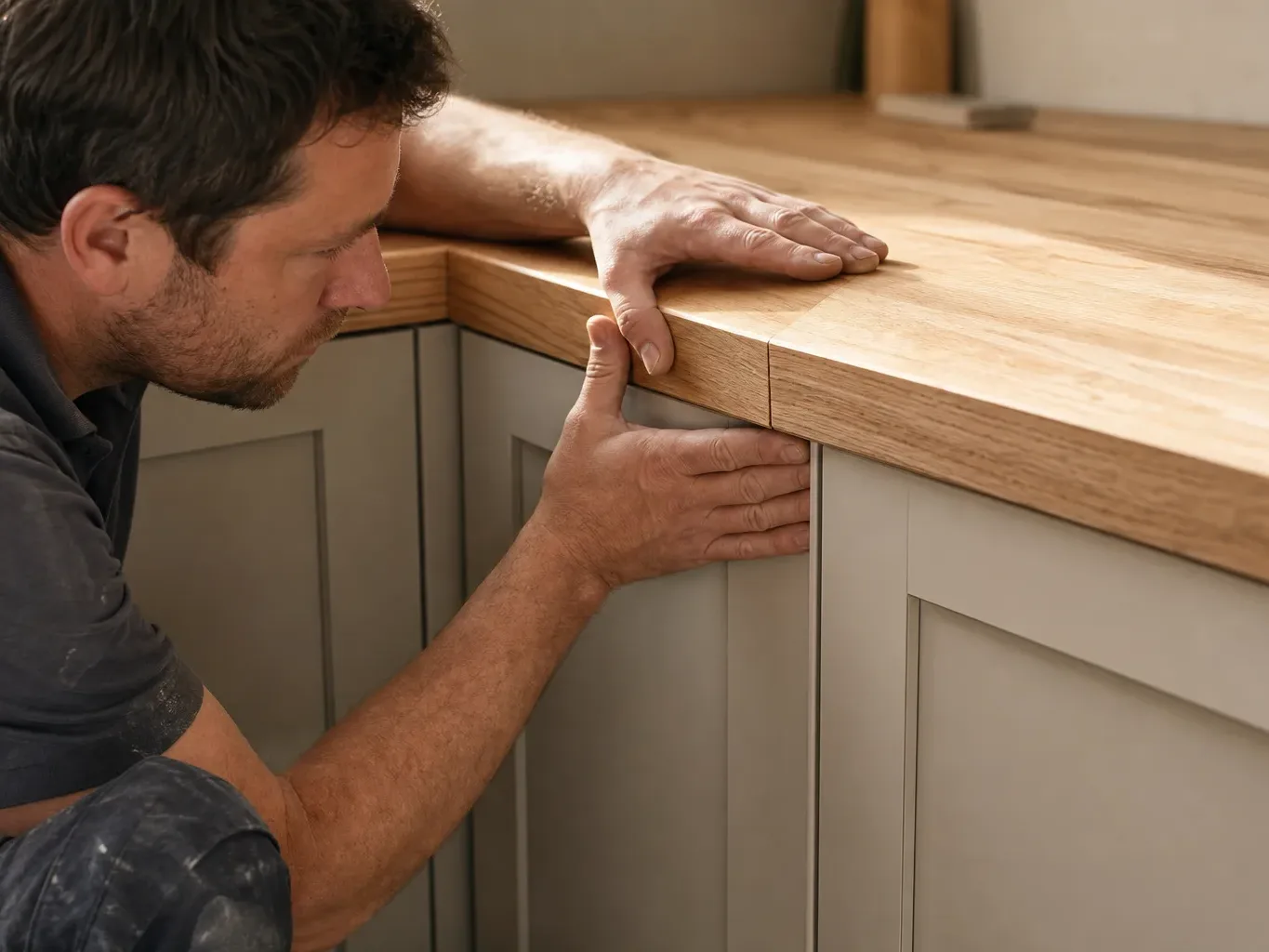
A reputable kitchen installer working to recognised trade body standards will acclimatise the boards in the room for at least 48 hours before cutting, allow for seasonal expansion when scribing to walls, and seal all cut edges thoroughly before fitting. These steps are not optional: skipping them is the most common reason solid wood worktops fail within the first year. A minimum one-year workmanship guarantee should cover the installation itself, giving you recourse if fitting errors become apparent after handover.
Frequently Asked Questions
How Much Do Solid Wood Worktops Cost in East Lothian?
Installed prices typically range from £150 to £350 per linear metre depending on the timber species. Oak sits toward the lower end of the range, while premium hardwoods such as walnut or iroko push costs higher. These figures include templating, fabrication, and fitting.
How Often Should I Oil a Solid Wood Worktop?
A new worktop needs three to four coats of Danish oil or hardwax oil before first use. After that, re-oiling two to four times per year is sufficient for most kitchens. High-use surfaces or those near the sink may benefit from more frequent treatment.
Which Timber Species Is Best for a Kitchen Worktop in a Coastal Area?
Iroko is a strong choice for coastal properties because it is naturally oily and highly moisture-resistant. It tolerates the humidity fluctuations common in seaside homes near North Berwick and Dunbar better than beech or some lighter hardwoods.
Can Solid Wood Worktops Be Repaired If They Get Scratched or Stained?
Yes. Light scratches often respond to a coat of oil and a gentle rub with fine wire wool. Deeper damage, burn marks, or heavy staining can be sanded back to bare wood and re-oiled from scratch, returning the surface to near-original condition.
What Should I Check Before Ordering a Solid Wood Worktop?
Ask for the board moisture content, which should be 8–12% for an interior installation. Confirm the construction method, whether boards are pre-oiled, and the lead time. Also clarify whether the supplier provides templating or requires you to supply precise measurements.