Quartz vs Granite Worktops - Best Choice for East Lothian Kitchens
How the Two Materials Actually Differ
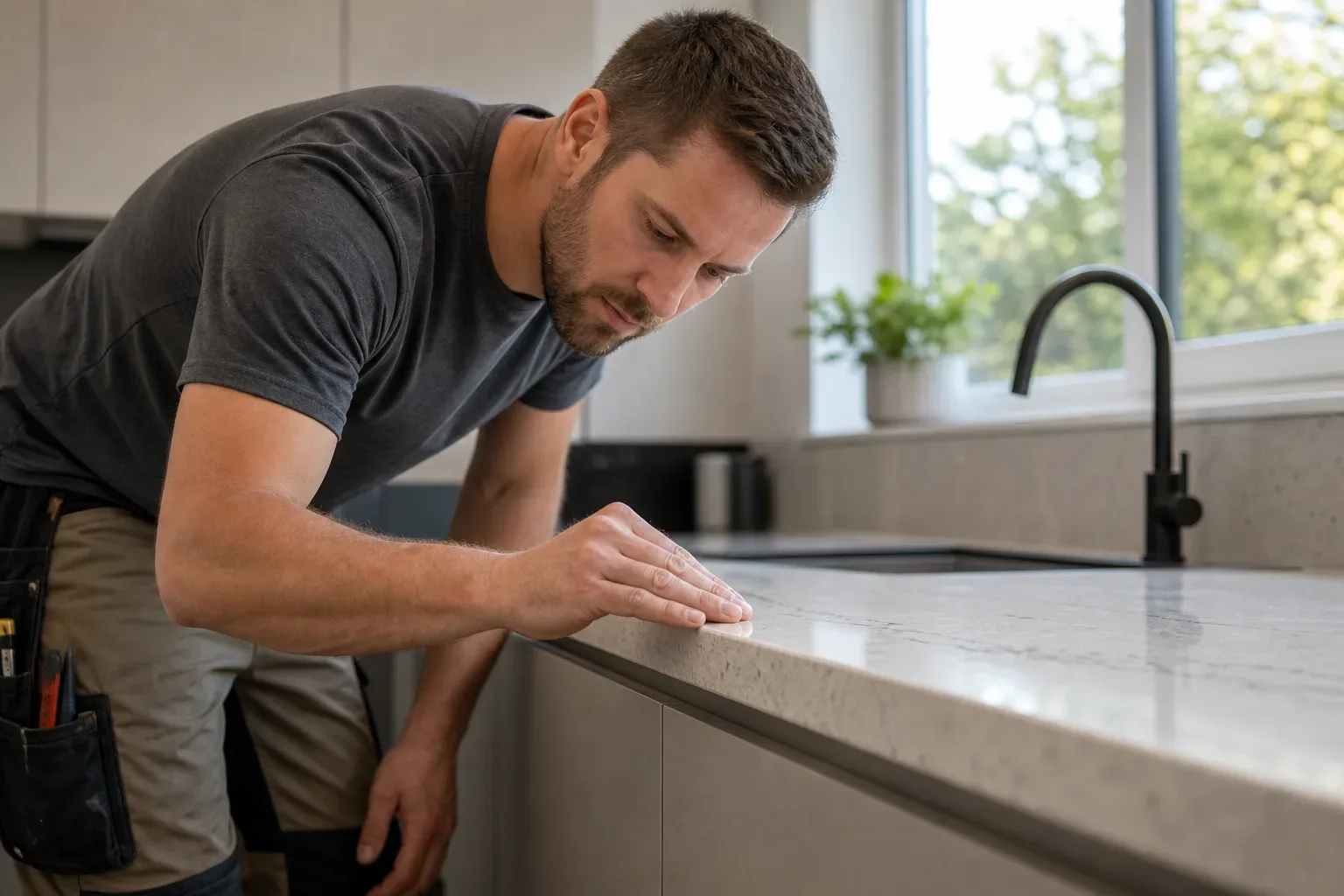
Quartz worktops are engineered from roughly 90–95% crushed natural quartz bound with polymer resins, while granite is a purely natural stone cut directly from quarried slabs. That single distinction drives almost every practical difference between them. Granite carries unique mineral patterns that no two slabs replicate exactly. Quartz offers consistent colouring and tighter tolerances, which suits homeowners who want a predictable finish.
Both materials are hard and heavy, requiring professional templating and fabrication. In East Lothian kitchens, where period farmhouses often sit alongside modern new-builds, either material can work visually, but the structural requirements are identical: robust base cabinetry capable of supporting 25–40 kg per linear metre.
Durability and Daily Performance
Scratch and Heat Resistance
Granite scores around 6–7 on the Mohs hardness scale, meaning most kitchen knives will not mark it. Quartz sits at approximately 7, marginally harder in practice. The critical difference is heat: granite can tolerate brief contact with hot pans, while the resin binders in quartz can discolour or crack under sudden heat above roughly 150°C. Placing a roasting tin directly from the oven onto quartz is a common and costly mistake.
Setting a trivets habit early protects both surfaces, but it is non-negotiable with quartz.
Stain and Moisture Resistance
Quartz is non-porous by construction, so red wine, coffee, and cooking oils sit on the surface until wiped away. Granite is naturally porous and must be sealed on installation, then resealed every one to two years depending on use. An unsealed granite worktop in a busy family kitchen in, say, Haddington or Dunbar will absorb stains over time. A properly maintained sealed granite performs almost as well as quartz in practice, but it requires that ongoing commitment.
Aesthetics and Design Flexibility
Appearance and Pattern
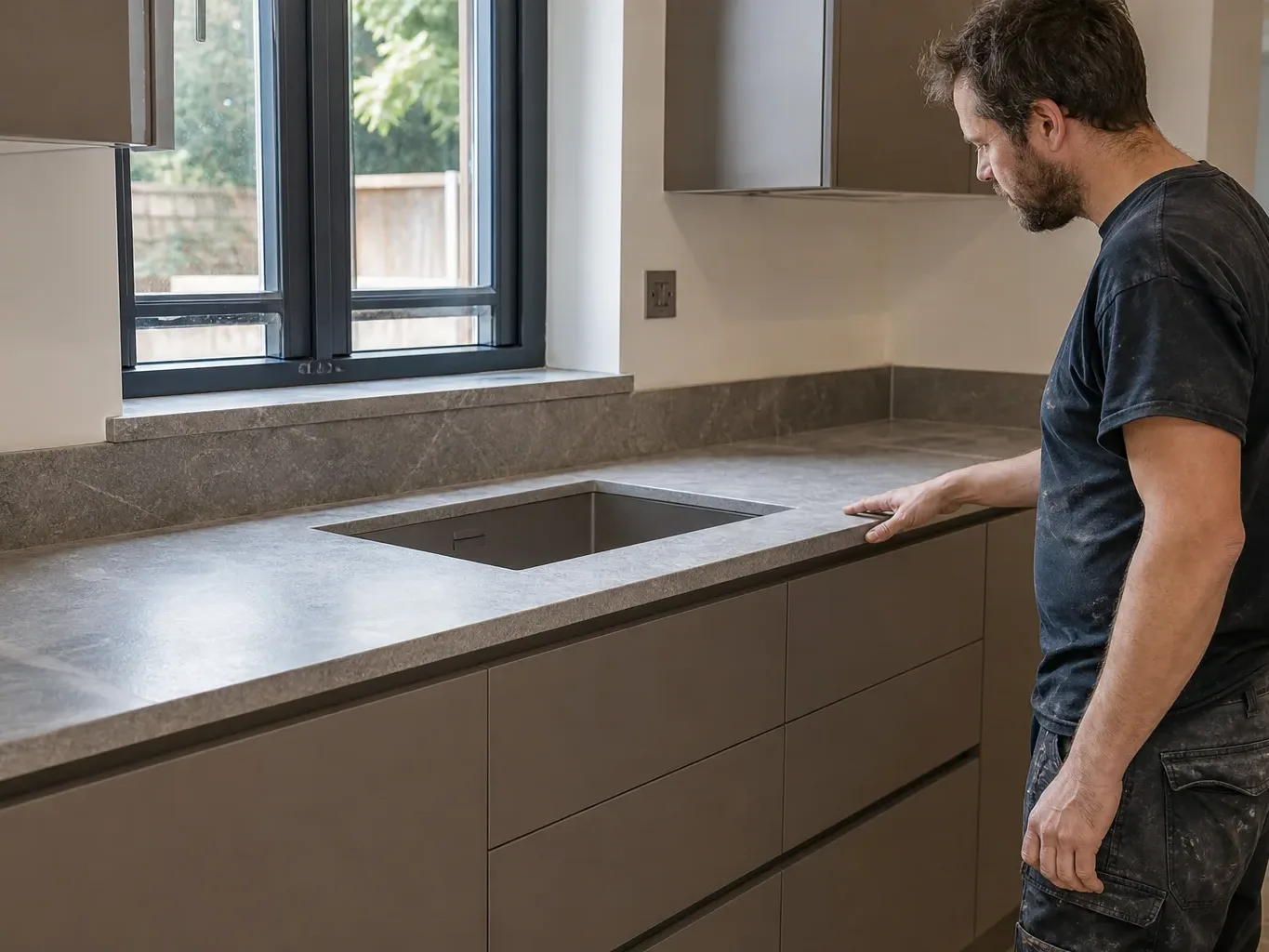
No two granite slabs are identical. The movement, mineral flecks, and veining are geological records, which appeals strongly to homeowners wanting something individual. Quartz manufacturers have become skilled at replicating natural stone visuals, including marble-effect patterns, but close inspection usually reveals the engineered regularity beneath.
For open-plan East Lothian homes where the worktop reads as a focal surface, granite's natural variation can anchor a room. For galley or utility kitchens where uniformity matters more than drama, quartz is often the cleaner choice.
Colour Range
Quartz carries the wider manufactured colour palette, from near-white Carrara-effect slabs through to deep charcoal and concrete-look finishes. Granite colours are determined by geology, so truly unusual tones can involve longer sourcing times and higher material costs. Standard granite shades, such as black, grey, and cream, are held in stock by most stone fabricators operating across East Lothian and the wider Edinburgh area.
Cost Comparison for East Lothian Homeowners
Installed quartz worktops typically cost £300–£600 per linear metre in East Lothian, with granite sitting in a broadly similar range. The variation within each material comes from slab thickness (20 mm vs 30 mm), edge profile complexity, and cutout count for sinks and hobs.
A standard 4-metre run with one sink cutout and a square edge profile sits toward the lower end of that range. Waterfall island returns, mitred joints, and shaped profiles push costs toward the upper end regardless of material. Porcelain slabs, for comparison, run £400–£700 per linear metre installed because they demand specialist cutting equipment and more fabrication time.
The worktop cost forms part of a wider kitchen budget. A mid-range full-fit kitchen in East Lothian typically runs £10,000–£20,000, so a premium worktop choice can shift the balance noticeably but rarely dominates the total project cost.
Maintenance Over Time
Quartz Care
Day-to-day quartz maintenance is straightforward: warm water, mild soap, and a cloth handle most tasks. Avoid abrasive pads, which dull the finish, and steer clear of bleach-based cleaners, which can break down the resin over extended use. There is no periodic sealing requirement, which is a practical advantage for households that want a low-maintenance surface.
Granite Care
Granite needs an impregnating sealer applied after installation and refreshed annually or biannually. The test is simple: drip water onto the surface. If it beads, the seal is intact. If it absorbs within a few minutes, reseal.
Quality granite sealers are inexpensive and the process takes under an hour, but it is a step that quartz does not require.
Longevity and Property Considerations
Both materials, properly installed, last decades. Granite slabs have been in continuous domestic use for over a century without structural failure. Quartz products carry manufacturer guarantees that typically run 10–25 years, though the resin element means long-term UV exposure through south-facing windows can cause gradual yellowing in some products.
A well-planned kitchen renovation can add up to 5–10% to a property's resale value, and worktop quality is one of the details that surveyors and buyers notice first. In East Lothian's active housing market, covering towns from Musselburgh through North Berwick to Prestonpans, a quality stone worktop in good condition reads as a meaningful feature rather than a cosmetic upgrade.
Choosing Between Them for Your Kitchen
Practical Decision Points
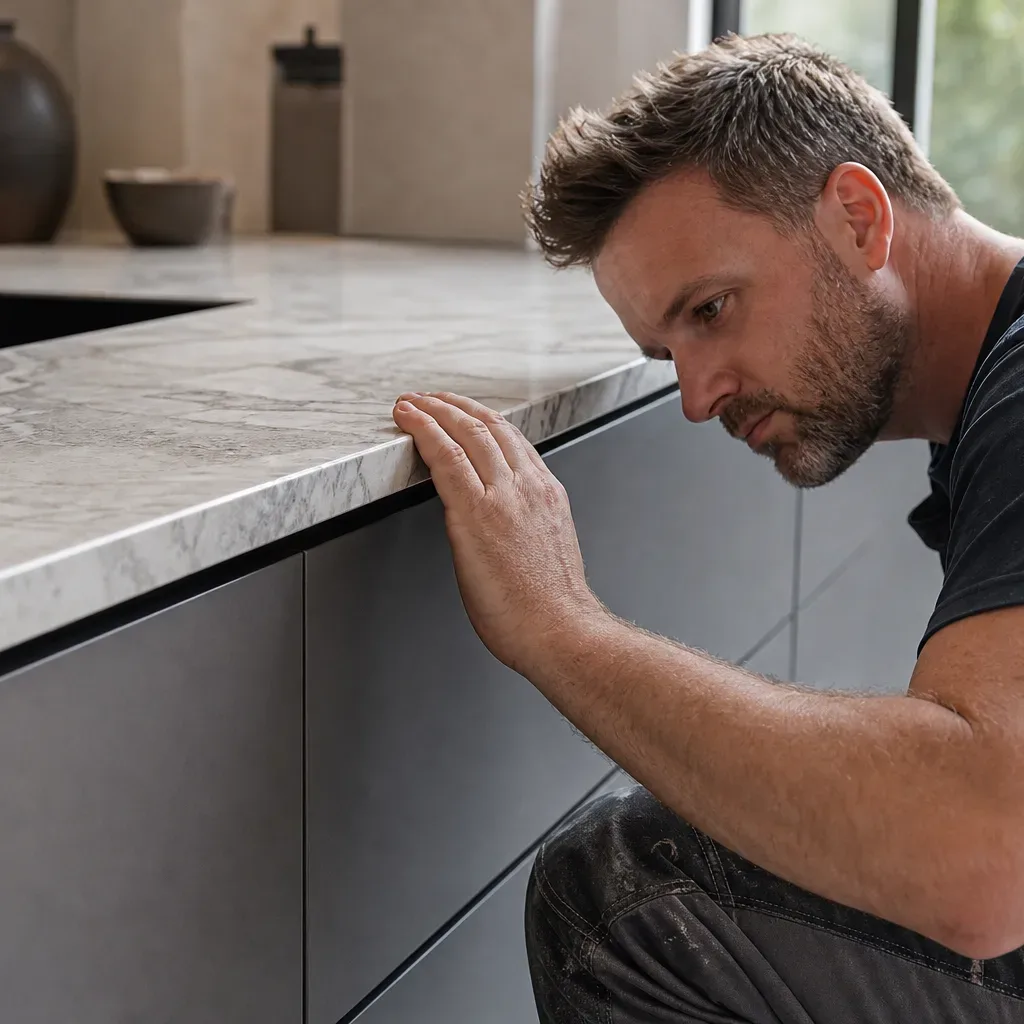
Choose quartz if you want zero-maintenance sealing, a wider colour palette, and guaranteed consistency across a large island or run. Choose granite if you want a unique slab with natural character, are comfortable with annual sealing, and value the ability to place warm cookware without constant anxiety.
Thickness matters too. A 20 mm quartz slab on a well-supported carcass is structurally sound for most residential kitchens. A 30 mm granite slab adds significant visual weight and heft that suits more traditional or substantial kitchen styles common in older East Lothian properties.
Getting Samples and Quotes
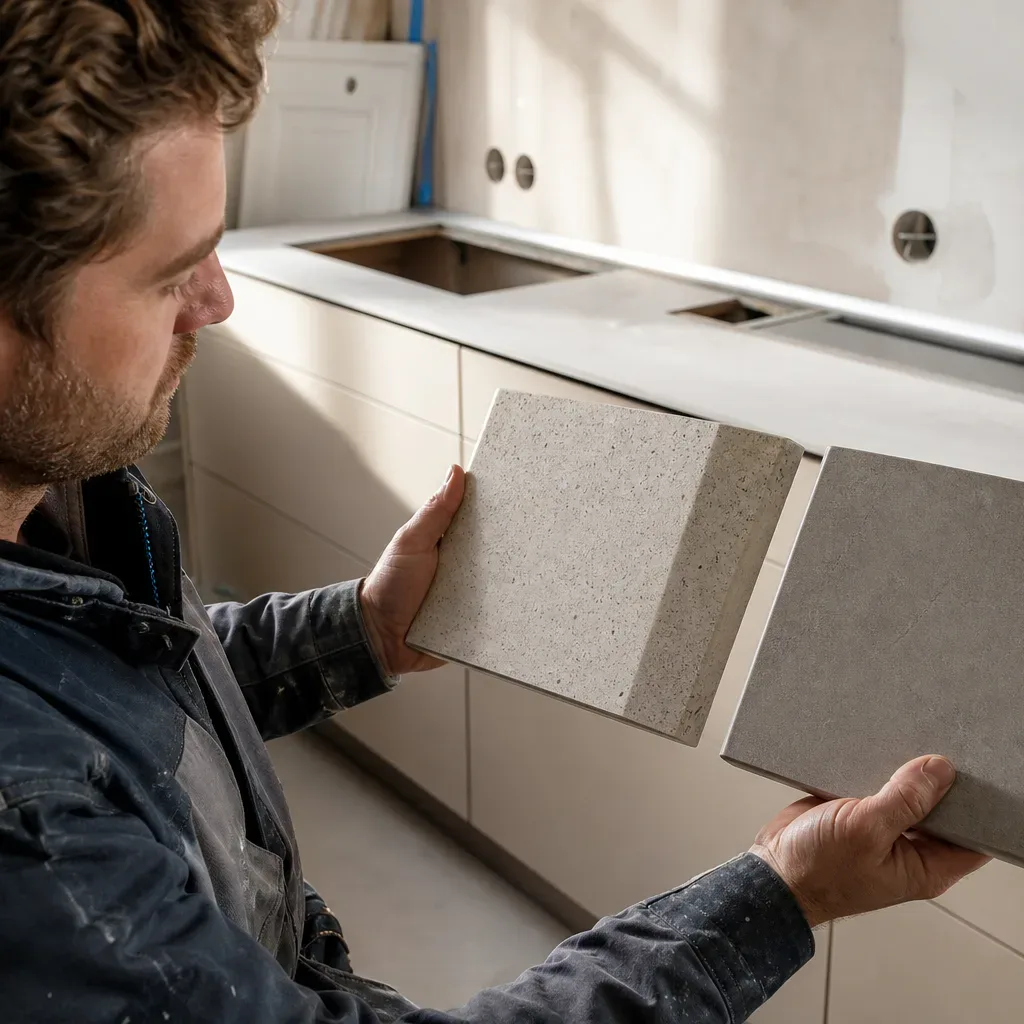
Most stone fabricators offer free templating consultations once a kitchen design is fixed, and reputable East Lothian kitchen suppliers typically offer a free initial design visit. Request full slab samples rather than tile-sized chips. A 300 mm square piece shows far more of the genuine movement and colour variation than a small mosaic sample, and it lets you compare the material under your actual kitchen lighting before committing.
Lead times for kitchen delivery after order run 6–12 weeks on average, and stone fabricators generally template after the base units are installed. Build that sequencing into your project timeline from the start so worktop fabrication does not become the critical path item that delays your completion date.
Frequently Asked Questions
Quartz vs Granite Worktops - Which Is Better?
Neither material is universally better. Quartz is non-porous and requires no sealing, making it lower-maintenance. Granite offers unique natural patterning and tolerates heat better, but needs periodic resealing. The right choice depends on how you use your kitchen and the aesthetic you want.
How Much Do Quartz or Granite Worktops Cost in East Lothian?
Installed quartz and granite worktops both typically fall in the £300–£600 per linear metre range in East Lothian. Final price varies by slab thickness, edge profile, and the number of cutouts for sinks and hobs.
Does Granite Need to Be Sealed and How Often?
Yes. Granite is a porous natural stone and needs an impregnating sealer applied after installation. Most kitchens require resealing every one to two years. You can test the seal by dropping water onto the surface: if it absorbs rather than beads, it is time to reseal.
Can You Put Hot Pans on Quartz Worktops?
No. The polymer resins used in quartz can discolour or crack with sudden heat above roughly 150°C. Always use a trivet or heat mat. Granite tolerates brief direct heat better, though using protection is still good practice with both materials.
Will a New Stone Worktop Add Value to My East Lothian Home?
A well-planned kitchen renovation, including quality worktops, can add up to 5–10% to a property's resale value. Stone worktops in good condition are one of the details buyers and surveyors notice early, and East Lothian's active market tends to reward kitchen quality.